- eCom Email Marketer
- Posts
- Conversational commerce: Turning email and SMS into real customer conversations
Conversational commerce: Turning email and SMS into real customer conversations
Plus, this week's top eCom stories in quick clips.
ENDS TONIGHT: Make your retention marketing pop off in the new year! Use code MERRY to save $500. 🎆

Hey, it's Chase and Jimmy here.
Here’s the truth: customers don’t want another promo in their inbox.
They want connection. They want clarity. They want brands that actually talk to them.
In today's breakdown we're covering how to turn your email and SMS into real conversations that strengthen retention without adding more work to your plate.
Also inside:
✔️ Kickstart Q1: New year email tactics that move revenue
✔️ Retention redefined: Email + SMS that actually works in 2026
✔️ Quick clips: This week's top stories in eCom
Let’s dive in.
Kickstart Q1: New year email tactics that move revenue
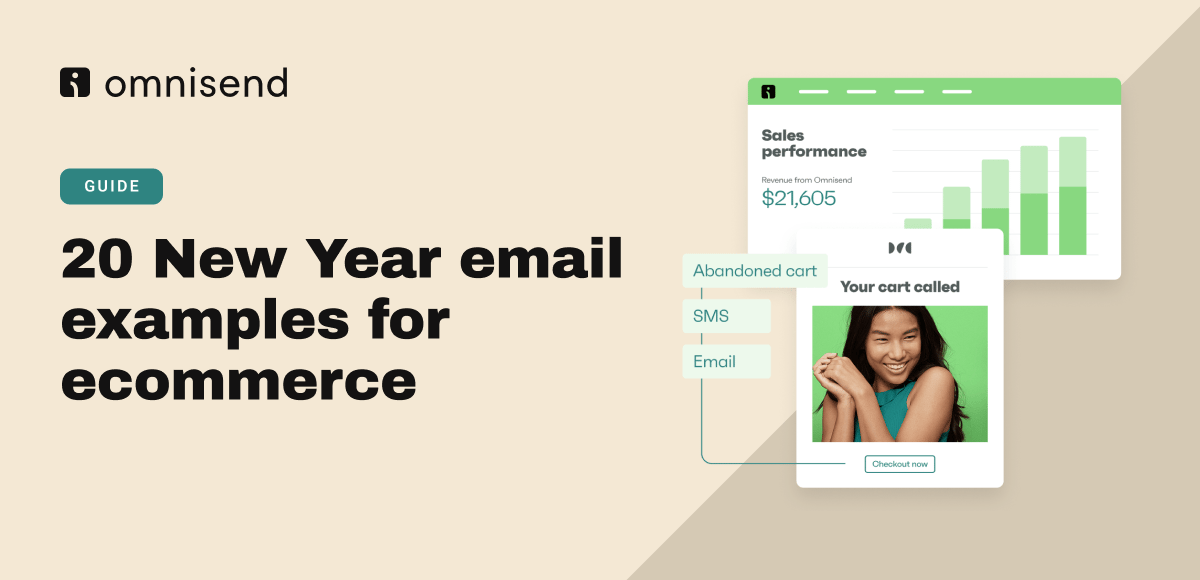
This Omnisend guide breaks down what actually works in January... and it isn’t your average recycled “new year, new you.” They’re talking angles, templates, and campaign types that get customers to open, click, and buy again after the holiday dust settles.
Inside the guide:
• The New Year email formats that consistently drive Q1 sales
• How top brands use resolutions without sounding cheesy
• January-specific offers and messaging that reactivate cold segments
• 20 real-world examples you can borrow today
Want the full breakdown >> Read it here
Conversational commerce: Turning email and SMS into real customer conversations
Most brands treat email and SMS like tasks on a checklist. Hit send, walk away, hope for clicks. But customers aren’t looking for one-size-fits-all. They’re looking for connection. They want to feel like the brand they’re talking to actually listens (not just talks at them).
When you flip your mindset from “sending messages” to “starting conversations,” everything changes. Engagement goes up. Insights get sharper. Retention gets easier. And suddenly your marketing channels don’t feel like you’re shouting into the void; they feel like relationship builders.
Let’s talk about how to make email and SMS feel more like conversations customers want to be part of.
Use reply-driven emails to spark real back-and-forth
Email is one of the most powerful conversation tools we have, but all too often we see brands fall short. The opportunity here isn’t to turn every email into a full dialogue, it’s to write emails that invite conversation… and make replying feel natural.

How to pull this off:
Ask real questions, not throwaway ones. Your readers don’t want to answer “What’s your favorite color?” Ask questions that teach you something meaningful. “What made you finally buy X?” “What’s the biggest problem you’re trying to solve right now?”
Open the door with a story. It doesn’t have to be long. Just human. A quick founder moment, a behind-the-scenes detail, a learning. If you go first, your customers are more likely to follow.
Write like someone who actually answers their inbox. You know the tone: shorter sentences, clear language, words people actually use. When your message feels human, replies happen naturally.
Replies are retention gold. They give you language, objections, motivations, and product insights you can’t get from surveys or dashboards. Plus, they boost deliverability at the same time.
Build SMS flows that feel like conversations, not alerts
SMS is personal by default. It sits right next to messages from friends, partners, coworkers. Which means the bar is high. If your texts feel robotic, stiff, or overly promotional, people tune out immediately.
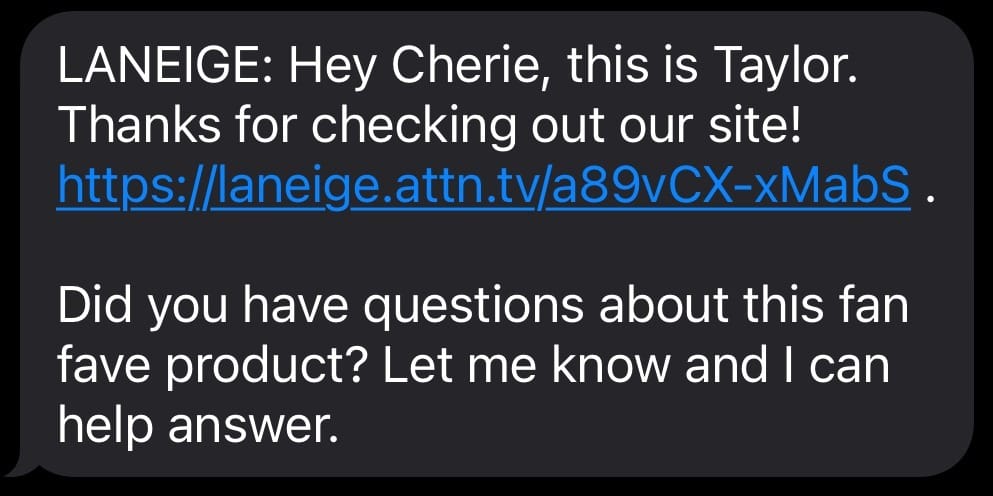
So shift your approach:
Start with lightweight, low-pressure interaction. A quick question, a fun A/B choice, a check-in. Something your customers can reply to without thinking too hard.
Keep your automated replies human. Avoid “Your response has been received.” Instead try “Got it, [First Name]. Want recs based on that?” Automation shouldn’t feel automated.
Swap in a real human when the convo calls for it. A personal reply at the right moment is a retention unlock. Customers remember when a brand meets them with actual warmth.
SMS should feel like a message from a brand that understands you, not just a brand that happens to have your number.
Pull customer service into the conversation earlier
Customer service isn’t just where problems get resolved. It’s where trust gets built. It’s where customers decide if your brand actually cares about them or just their order number.

You can fold conversational support into your marketing channels by:
Answering questions before they even come up. Send cheat sheets, product tips, sizing info, or setup steps before customers hit friction.
Training your team to talk like real humans. No stiff scripts, no robotic tone. Friendly, clear, helpful. Make every message sound like the person on the other end genuinely wants you to have a good experience.
Responding quickly when customers reply to marketing messages. If someone reaches out by replying to a campaign, treat it like the high-intent moment it is. A fast response here builds serious brand equity.
Support should be part of your retention engine, not a separate department.
Turn feedback into casual, ongoing dialogue
Traditional surveys often feel like homework. And customers don’t want homework. They want to be heard without signing up for a five-minute task.
A more conversational way to gather feedback:
Ask one simple question at a time. “How’s it going so far?” beats a 12-question form every day of the week.
Invite stories instead of ratings. Ratings give you data. Stories give you direction and language you can reuse everywhere.
Share standout responses with your community. Nothing encourages conversation like seeing real customer voices featured.
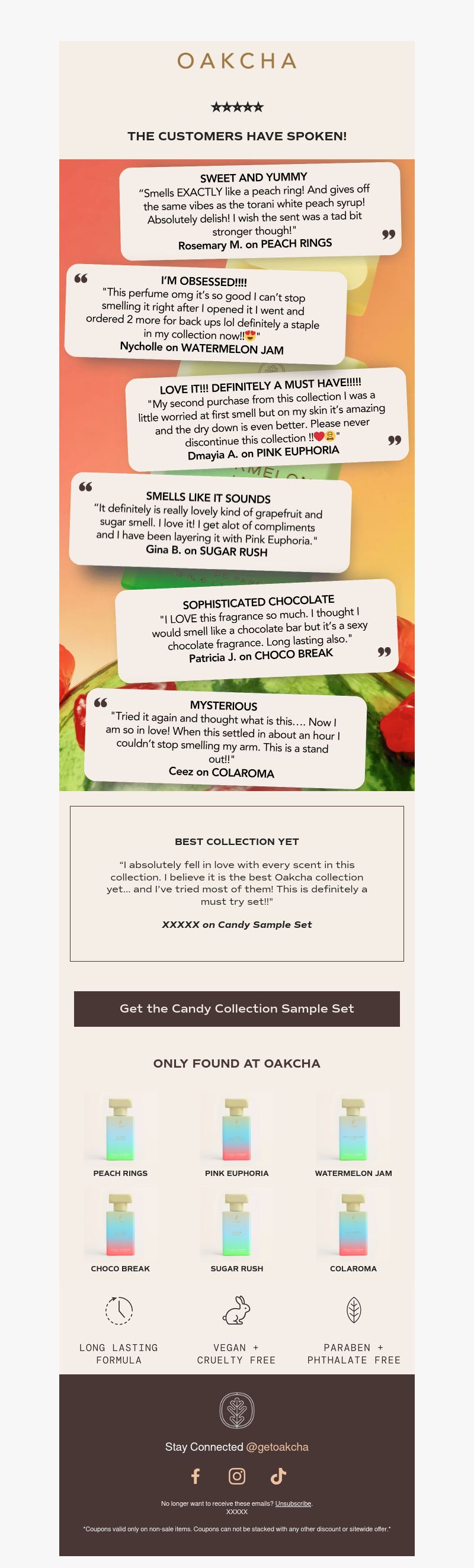
The more effortless you make feedback, the more honest and frequent it becomes.
Use consultative sales conversations to guide, not push
Sales doesn’t have to feel salesy. The best promotional emails and texts feel like someone helping you make the right choice.
Here’s what consultative selling looks like:
Start by understanding the customer’s problem. Ask what they’re looking for or what’s not working. Tailor from there.
Address hesitations like a human, not a pop-up modal. “Totally get it. Here’s what helped most people feel confident buying.” The tone matters as much as the content.
Use social proof conversationally. Not in giant blocks. In small moments. “A customer yesterday said this helped them with X.”
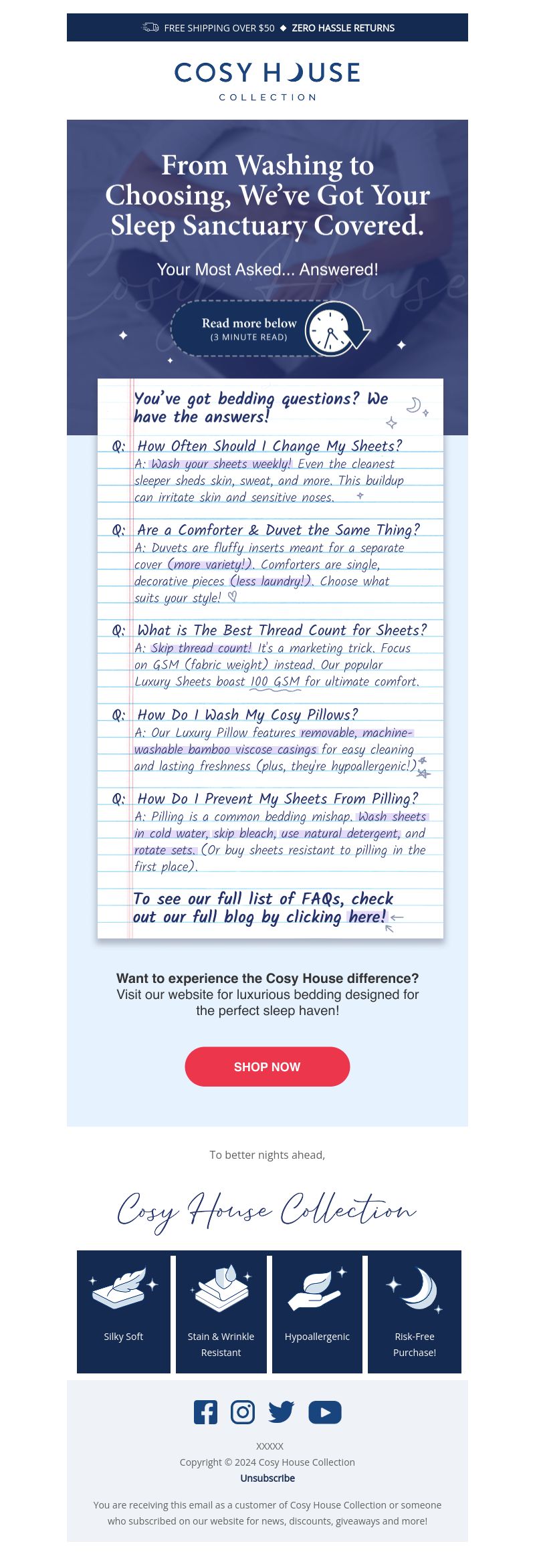
Customers don’t actually mind being sold to when the recommendation actually fits their needs.
Start small so your team can actually stick with it
You don’t need AI chatbots, giant team shifts, or re-architected flows to start using conversational commerce. Begin with lightweight tests that teach you how your audience responds.
Try this first:
Add one reply-worthy question to your next email
Turn one SMS into a conversation starter
Answer three customer replies personally
Ask for informal feedback after a first purchase
Small steps turn into noticeable retention gains… quickly.
Conversations create customers who stay
At the end of the day, great conversational commerce isn’t about fancy tech or perfect automation. It’s about showing up like a real human and giving people a reason to respond.
When you talk with your customers instead of at them, everything gets easier. Your emails land better, your SMS feels natural, and retention becomes the byproduct of relationships (not discounts).
Start the conversation. Your customers will take it from there.
Quick Clips:
Influencers are getting in on ownership: Alix Earle is backing Gen Z supplement brand Georgie, while Jason Kelce is investing in cult‑favorite Hank Sauce. From beauty to hot sauce, creators are moving from promoting products to taking equity.
The Honest Company exits DTC: Honest is shutting down its website and mobile app, shifting fully to retail partners like Walmart, Target, Amazon, and Kroger as part of its profitability‑focused turnaround.
TikTok Shop is becoming a commerce heavyweight: TikTok Shop now accounts for nearly 20% of U.S. social commerce, with sales projected to surpass $20B next year and exceed $30B by 2028.
Holiday shoppers are pulling back on discounts: Gen Z and millennials are spending less, shopping outside traditional BFCM windows, and prioritizing budget tools, intentional gifting, and value over doorbuster deals.
Supplements go giftable: Wellness is officially a holiday gifting category, with retailers like Ulta and Target giving more shelf space to vitamins, sleep aids, and mood-boosting gummies
Annnnd that’s a wrap for this edition!
Thanks for hanging with Chase and me. Always a pleasure to have you here.
If you found this newsletter helpful (or even just a little fun), don’t keep it to yourself! Share ecomemailmarketer.com with your favorite DTC marketer. Let’s get them on board so they don’t miss next week’s drops.
Remember: Do shit you love.
🤘 Jimmy Kim & Chase Dimond
PS - Your next best customer might be reading this right now. Want in? Email Jimmy to sponsor this newsletter and more.
Love this newsletter but want to receive it less frequently? Let us know by clicking here!
Reply