- eCom Email Marketer
- Posts
- The 8 things high-performing email campaigns get right (and most brands still miss)
The 8 things high-performing email campaigns get right (and most brands still miss)
[Free webinar] From 2025 to 2026: Signals, shifts, and what to prepare for feat. Chase, Jimmy and Omnisend 2/3 » Register free
Good morning, Chase and Jimmy here.
When email campaigns fail, it’s usually not because of design or tools. It’s because they don’t give people a clear reason to care.
They're too broad, too busy, or too focused on what the brand wants to say instead of what the reader actually needs right now.
This morning we're breaking down the eight things high-performing campaigns get right and the actionable steps to implement them into your strategy.
Also inside:
✔️ Spoiler alert: The metrics that mattered in 2025 aren't the ones most teams were watching
✔️ Why do some ideas stop the scroll instantly?
✔️ DTC wins: NOBULL brings its training-first mindset to nutrition
Let’s get into it.
Spoiler alert: The metrics that mattered in 2025 aren't the ones most teams were watching

While most brands chased vanity numbers, a smaller set of signals actually predicted retention and revenue. If you're building your 2026 plan around last year's surface-level wins, you're already behind.
Join us live with Omnisend on February 3rd for a breakdown of which customer behaviors shifted, where engagement actually happened, and what we think is genuinely worth preparing for this year.
Plus, we're walking through Retention Redefined live; translating the year's data into retention strategies that hold up under scrutiny.
Register free >> February 3 at 8am PST / 11am EST
The 8 things high-performing email campaigns get right (and most brands still miss)
The emails that consistently drive clicks and revenue usually feel simple on the surface. Behind the scenes, though, they’re doing a few things very intentionally.
If you nail these eight components, you don’t need to reinvent your entire strategy. You just need to execute the fundamentals better.
1. Segment with purpose, not for the sake of it
Segmentation only works when it’s tied to intent.
You don’t need 47 micro-segments that never get used. You need a few meaningful groups that actually change how someone experiences your emails.
Start with segments that directly impact behavior, such as:
Loyal customers who’ve already proven they’ll buy
First-time buyers who need reassurance and momentum
Cart abandoners who are close but distracted
One rule that saves a lot of frustration: always exclude people who’ve already taken the action. Sending a promo to someone who already redeemed it is one of the fastest ways to lose trust.
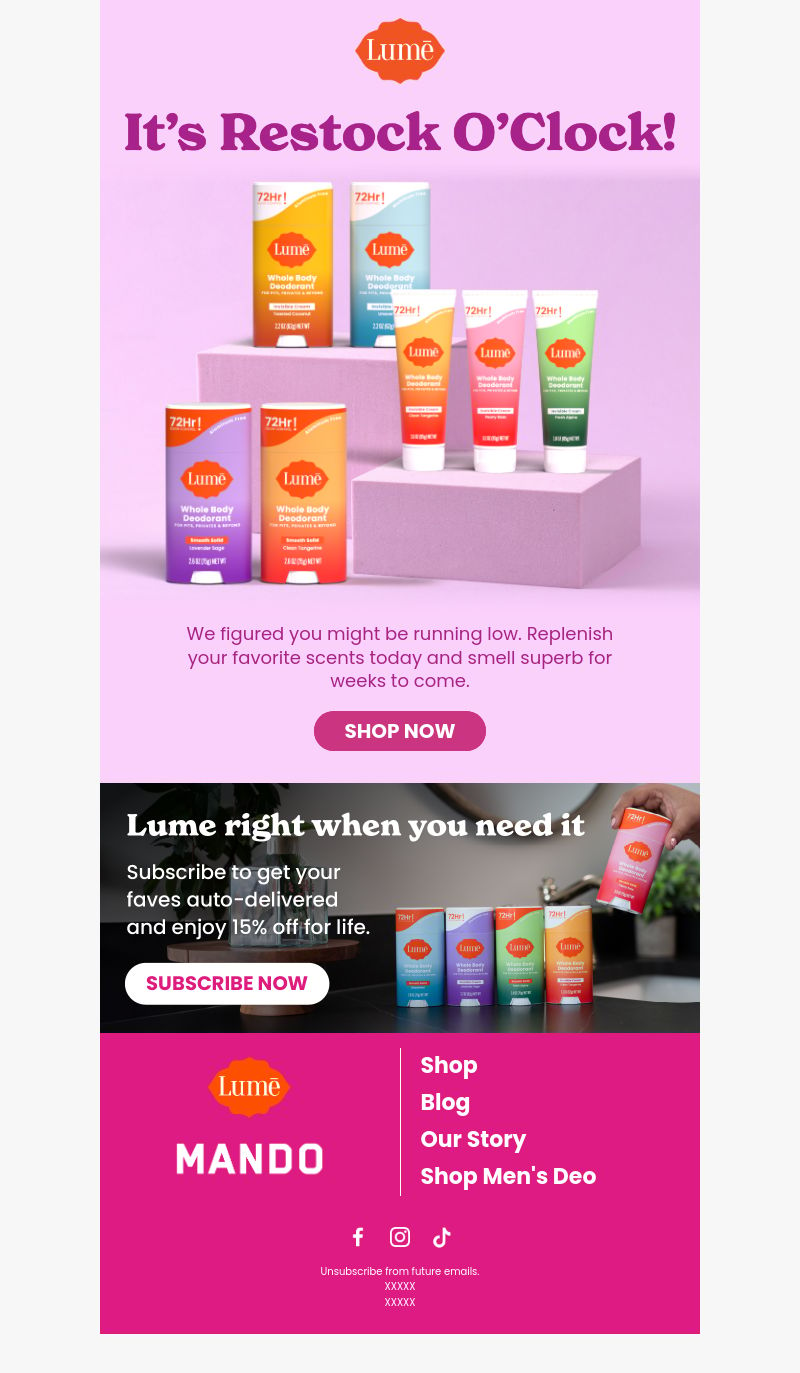
2. Match the offer to where the reader is mentally
Not every email needs a discount. But every email does need a reason to exist.
Instead of defaulting to incentives because “it’s time to send something,” strong campaigns align the offer with where the reader is in their journey.
The best offers feel aligned with the moment:
Referral rewards work best with happy, high-intent customers
Time-bound incentives work best when interest already exists
Content or education works best when someone is still deciding
If the offer doesn’t make sense right now for that person, it doesn’t matter how good it is.
3. Earn the open with clear, honest subject lines
Subject lines don’t need to be clever. They just need to be compelling enough to earn a click.
What still works:
A specific question that feels relevant
Early access or insider framing that’s actually real
Deadlines that genuinely mean something
A good gut check: if you wouldn’t say the subject line out loud to a customer, it probably doesn’t belong in their inbox.
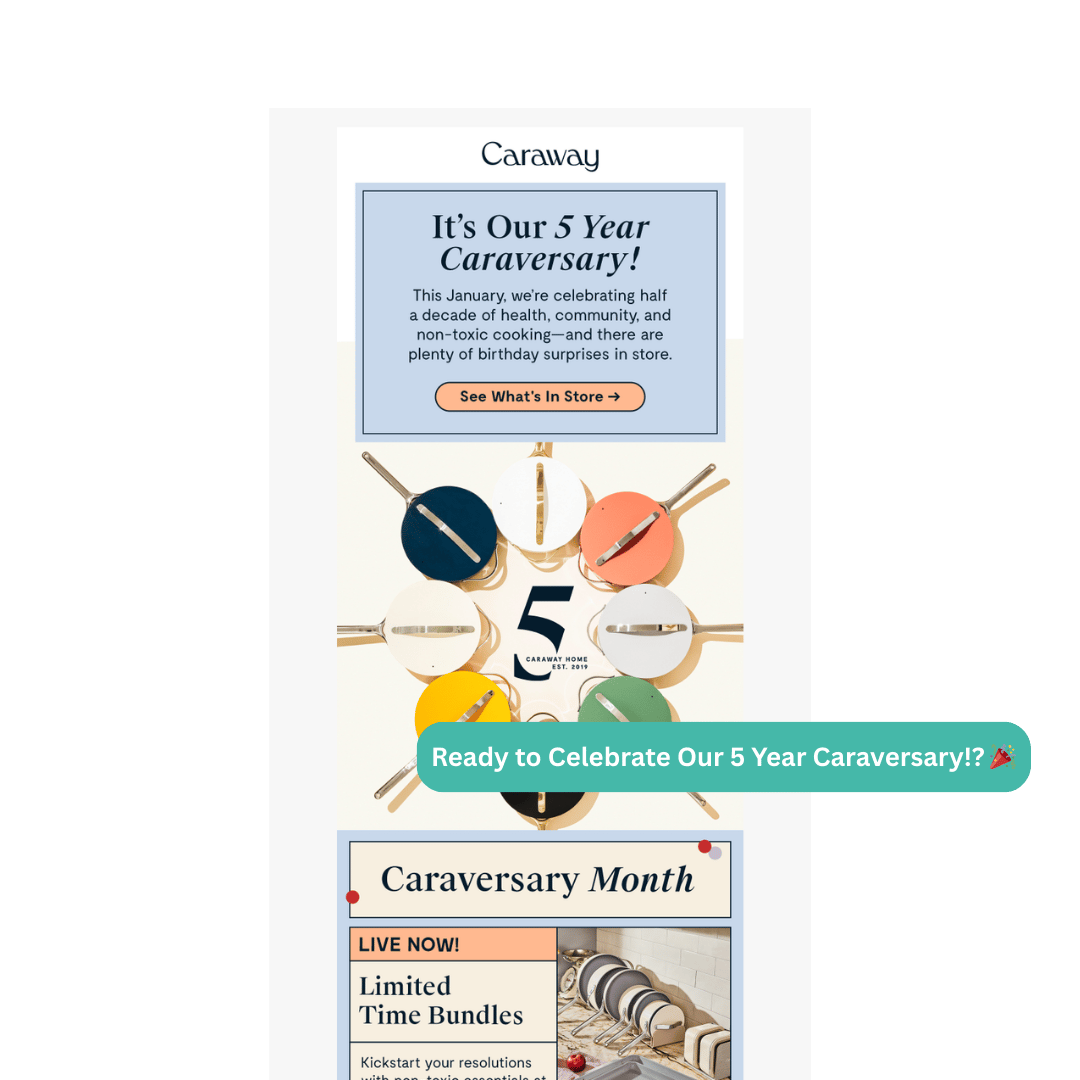
4. Write like you talk, not like a brand guideline
Tone matters more than most teams realize.
Emails that feel stiff, overly polished, or overly “brand approved” tend to get skimmed at best. The emails that get read sound like someone talking to you. They’re direct. They’re clear. They don’t hide the point behind buzzwords.
A few simple guardrails help:
Short paragraphs
One main idea per email
Fewer buzzwords, more plain language
Remember: You’re not writing an ad. You’re continuing a conversation.

5. Let design guide attention, not compete for it
Design should support the message, not fight it.
That usually means:
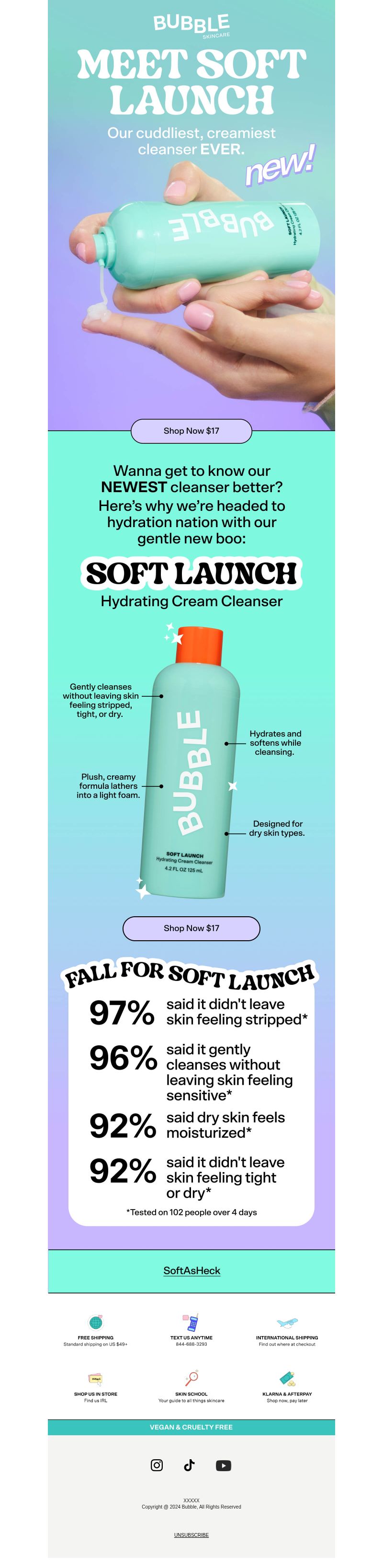
A clean header that sets context
Short sections instead of long walls of text
Clear visual hierarchy that naturally leads to the CTA
When design gets too busy, the message gets lost. When it’s clean and intentional, engagement often improves without changing a single word of copy.
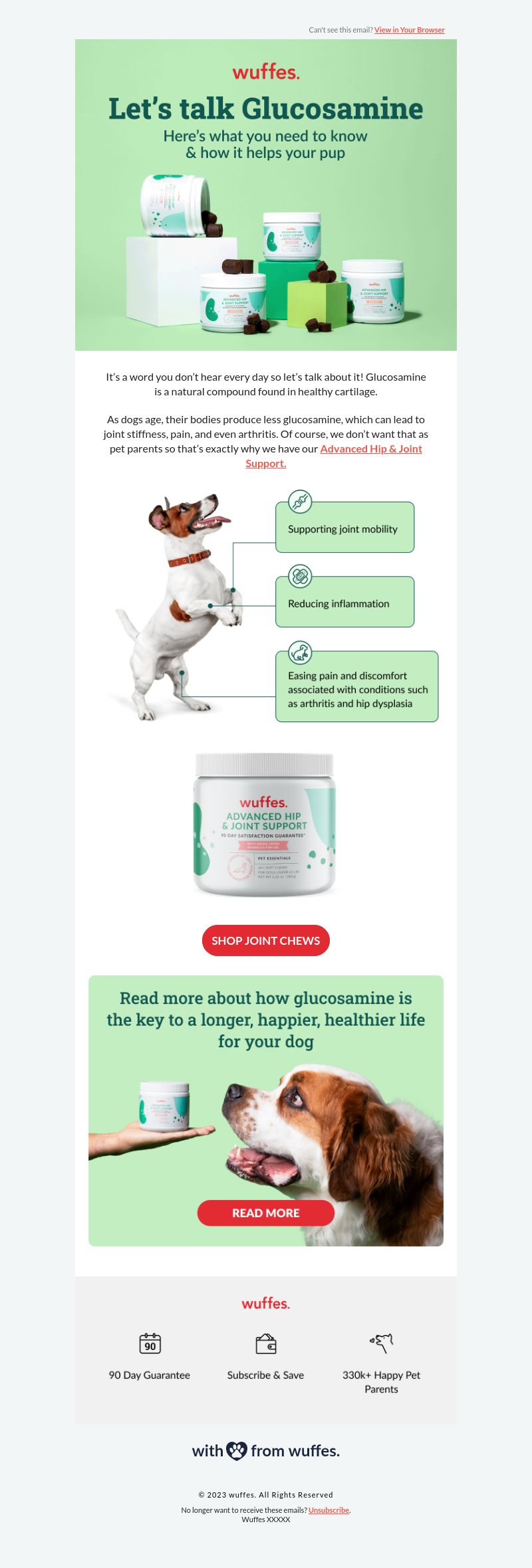
6. Give the reader one clear action to take
Every strong campaign has a clear next step.
That doesn’t mean you can’t include supporting links, but there should always be one obvious action that matters most. When emails try to do too many things at once, readers often do nothing.
Strong CTAs are:
Specific (“Shop the collection” beats “Learn more”)
Easy to spot
Placed where they make sense in the flow
Keep in mind: Clear almost always beats clever.
7. Treat testing as an ongoing habit, not a one-time task
The best teams aren’t constantly reinventing their emails. They’re refining them.
Focus on one variable at a time:
Subject lines
Send timing
CTA wording or placement
Small changes compound quickly when you actually learn from them and apply those insights moving forward.
The bigger point most teams miss
Great email campaigns aren’t built on tricks, trends, or templates.
They’re built on understanding the reader, respecting their time, and being intentional about what you’re asking them to do. When your emails feel clear, relevant, and easy to engage with, performance tends to follow.
If something feels off in your campaigns, it’s usually not because you’re missing a tool. It’s because one of these fundamentals isn’t quite dialed in yet.
Knowledge drop:
Why do some ideas stop the scroll instantly? Jimmy breaks down the “familiar surprise” formula, and how brands can use it to make everyday marketing feel fresh again.
DTC wins:
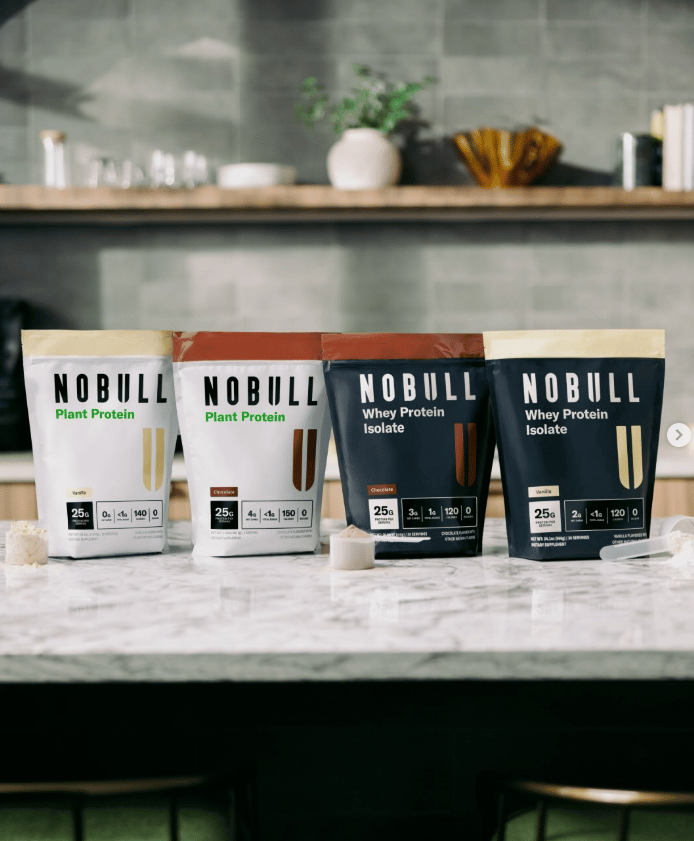
Performance brand NOBULL just debuted its first nutrition line, extending its training philosophy into protein powders and electrolytes. Formulated with minimal ingredients and familiar flavors, the launch marks NOBULL’s move into performance nutrition. It’s a clean extension of the brand’s training-first ethos, bringing the same clarity and discipline from footwear into fueling.
Annnnd that’s a wrap for this edition!
Thanks for hanging with Chase and me, always a pleasure to have you here.
If you found this newsletter helpful (or even just a little fun), don’t keep it to yourself! Share ecomemailmarketer.com with your favorite DTC marketer. Let’s get them on board so they don’t miss next week’s drops.
Remember: Do shit you love.
🤘 Jimmy Kim & Chase Dimond
PS - Your next best customer might be reading this right now. Want in? Email Jimmy to sponsor this newsletter and more.
Love this newsletter but want to receive it less frequently? Let us know by clicking here!
Reply