- eCom Email Marketer
- Posts
- Thu 8/20 | Ed. 397 | Two free gifts, two different jobs
Thu 8/20 | Ed. 397 | Two free gifts, two different jobs
Your favorite eCom event is almost here. Commerce Roundtable San Diego, Sept. 21 and 22. → Save 40% with code EEMVIP
A free gift feels like free money. But there's a catch...
A free gift is one of the only offers that moves the cart without cutting your margin on the products in it, which is exactly why it's so easy to waste. Bolt a reward onto a threshold with no plan behind it, and you've just handed away margin for a bump that never shows up.
The brands that get real lift decide one thing first: what they want the gift to do. Get people to spend more, or get them to stop waiting?
This morning we're taking a look at two brands that landed on opposite answers. Let's get into what each one is built to do.
Also inside:
→ How lean teams ship more email per client, without more hours
→ The cart math everyone swears is basically a discount
→ Three fresh drops, and the retention play hiding in each
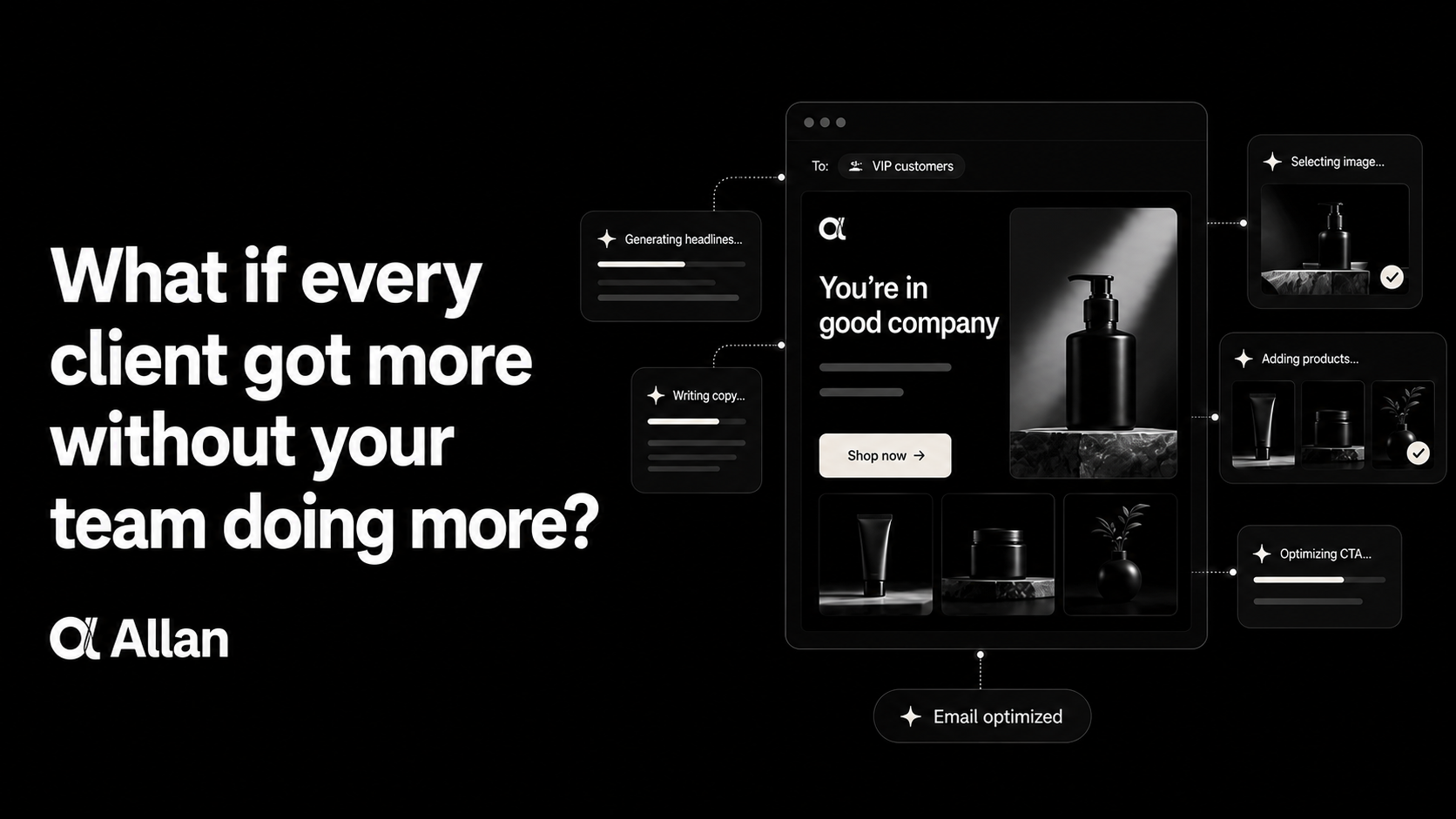
More campaigns, more segments, more tests. The asks keep coming, the month stays the same length, and something good always gets cut to fit.
Allan changes that. Your team stocks each client's library once, the heroes, copy, CTAs, and offers, and Allan assembles the best version for every subscriber at send time and learns from what lands.
Coverage climbs while build hours stay flat, and it sits on top of your ESP so nothing in the stack moves. That's a lot more output per retainer, on a cleared 1 to 3x range in revenue per recipient (a ballpark, not a guarantee).
The 30-day trial includes the creative, so there's almost no lift to start.
→ Start free at getallan.com
*Sponsored
A free gift is one of the only offers that can move the cart without cutting into your margin on the products in it. That's also why it's so easy to waste. A gift bolted onto a threshold with no plan behind it doesn't move much on its own.
The brands that get real lift decide one thing first: what they want the gift to change. Spend more, or stop waiting?
Tooletries and maxbone both ran a free gift with purchase. Same mechanic, two completely different jobs.
Tooletries: Make the gift do your upselling
Tooletries built its offer around a $75 threshold, and the whole email is engineered to get shoppers there. The subject line names the number, "Spend $75, Get a Free Koby Bag," and the hero repeats it, so the target is never in question.

Naming the gift is smart. The Koby Bag is a real, shown product, a waterproof silicone dopp kit, so shoppers can weigh whether it's worth adding an item to reach $75 instead of guessing at a mystery reward.
The best decision in the email is the product grid. Right under the offer, Tooletries drops four best sellers with Buy Now buttons. A threshold offer falls apart the moment shoppers have to leave, browse the whole site, and do the math to close the gap. Tooletries keeps the cart-builders one tap away.
One thing we'd tighten: the CTA. Shop Now is fine, but Build Your $75 Cart would name the actual task and keep the threshold in view at the click.
The gap is urgency. Tooletries leans entirely on the threshold and never adds a deadline or a returning-customer nudge. That's the right call if the only job is AOV, but a soft nudge would convert the fence-sitters it's leaving to memory.
What brands can take from it: if the gift is there to raise AOV, name it, show it, and stack the products that get shoppers to the threshold right inside the email. Build the basket for them instead of leaving them to do the math alone.
maxbone: Make the gift beat the clock
maxbone pointed the same mechanic at urgency. The subject line, "ACT FAST: Last Chance For Your Free Sling," and the hero, "Ends Tonight," do all the work, and the deadline gets reinforced three ways: the hero, the body copy, and a dated expiry in the fine print.
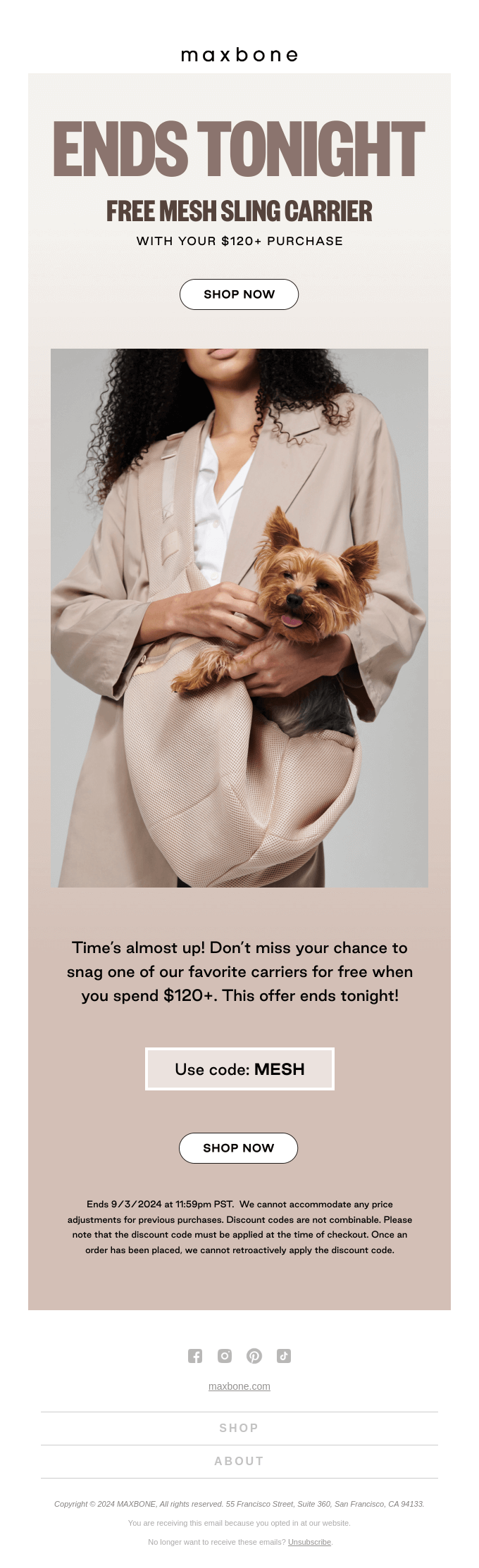
This is a send built for shoppers who've already seen the offer and just need a reason to move today. The free Mesh Sling Carrier is named and shown, and the whole email stays locked on one offer instead of scattering attention.
Two things worth flagging:
→ The hidden threshold. The gift actually requires a $120 purchase, but that condition sits under the deadline and the email never helps you hit it. No product grid, no "here's what gets you there." A deadline gets people to act, but if the spend bar is high, give them a fast path to clear it.
→ The code. The offer needs promo code MESH at checkout. One more thing to remember is one more reason to bounce. If the deadline is carrying the urgency, auto-apply the code so nothing sits between the click and the cart.
What brands can take from it: if the gift is there to speed up the decision, put the deadline in the subject line and the hero, and repeat it in live text. Then clear every obstacle between the shopper and the finish line, especially the spend bar and the code.
The Real Difference: Which Job Fits Your Problem
Neither approach wins on its own. Pick the one that matches the problem in front of you.
Use the Tooletries approach when:
→ You want to move carts past a clear spend threshold.
→ You've got best sellers or bundles that make the next add easy.
→ The gift is valuable enough to justify one more product.
Use the maxbone approach when:
→ The offer's been running and shoppers already know it.
→ The send needs fence-sitters to move today.
→ You can keep the path to the gift friction-free, no high bar with no help and no code to remember.
Before you build, write down the one behavior you want the gift to change, and let it set the subject line, the body, and the products you feature. The same free gift can grow a cart or beat a clock, but it can't do both in one send.
For anything people run out of, the reorder is your easiest sale. They already like it, they're about to hit empty, and all it takes is catching them at the right moment. That's the part email keeps missing; your reminder sits in the inbox while they grab whatever's on the shelf.
Outcraft catches the moment with a phone call. It rings your customer right as they're due to run low, talks them through whatever's holding them up, and takes the reorder on the call. Whatever you send next already knows how it went, so nobody gets pestered twice, and it all runs on top of the flows you're already sending.
→ Hear what recovered revenue sounds like at Outcraft AI
*Sponsored
Rare Beauty launched a second fragrance, and gave app users first dibs
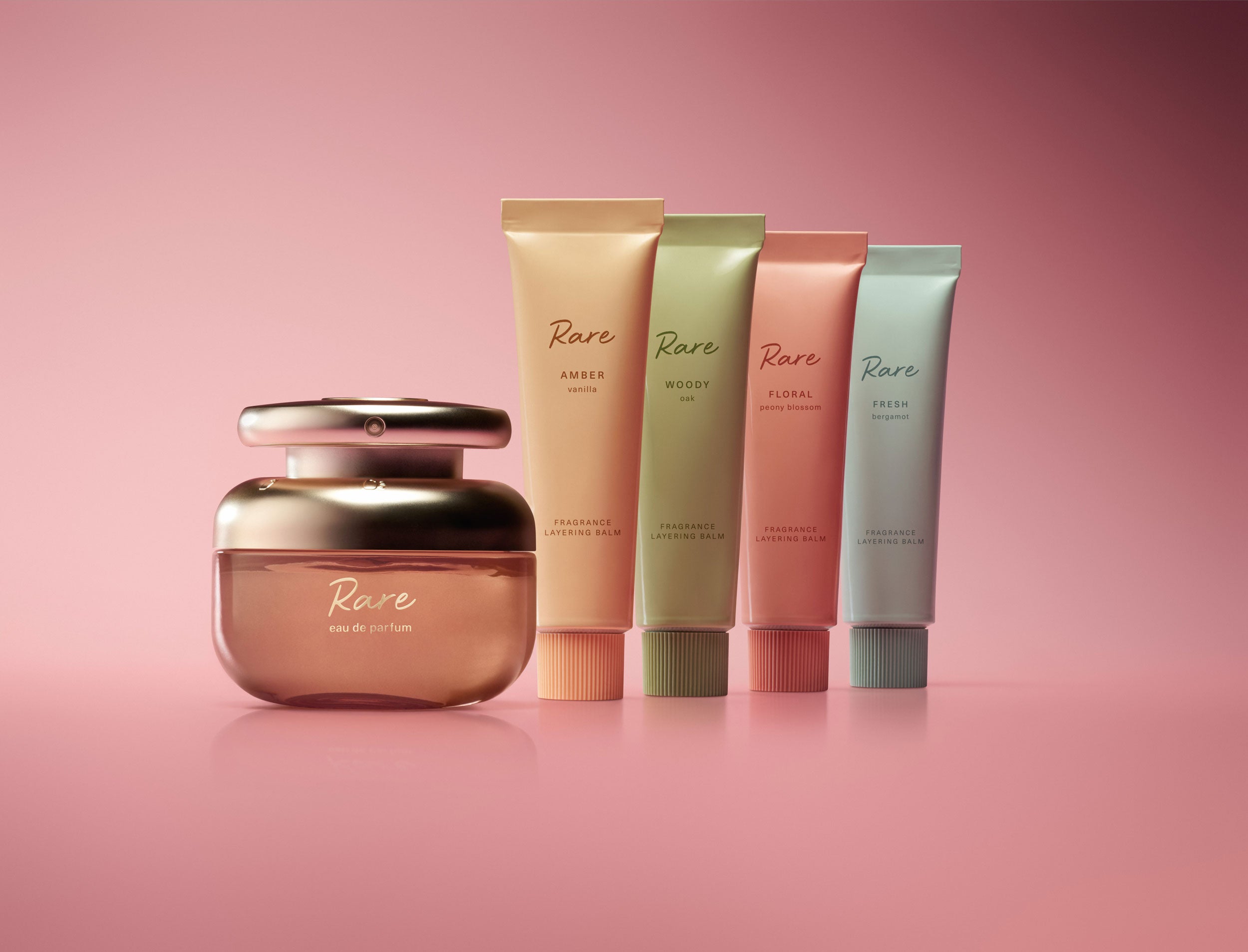
Rare Beauty followed Selena Gomez's debut scent with a second one, "Rare Beginnings," and let loyalists buy it through the Sephora app a day early. That early window is the move worth stealing: it turns a launch into a reason to keep the app installed and rewards the people already raising their hands.
Liquid Death and goodwipes teamed up on scented flushable wipes
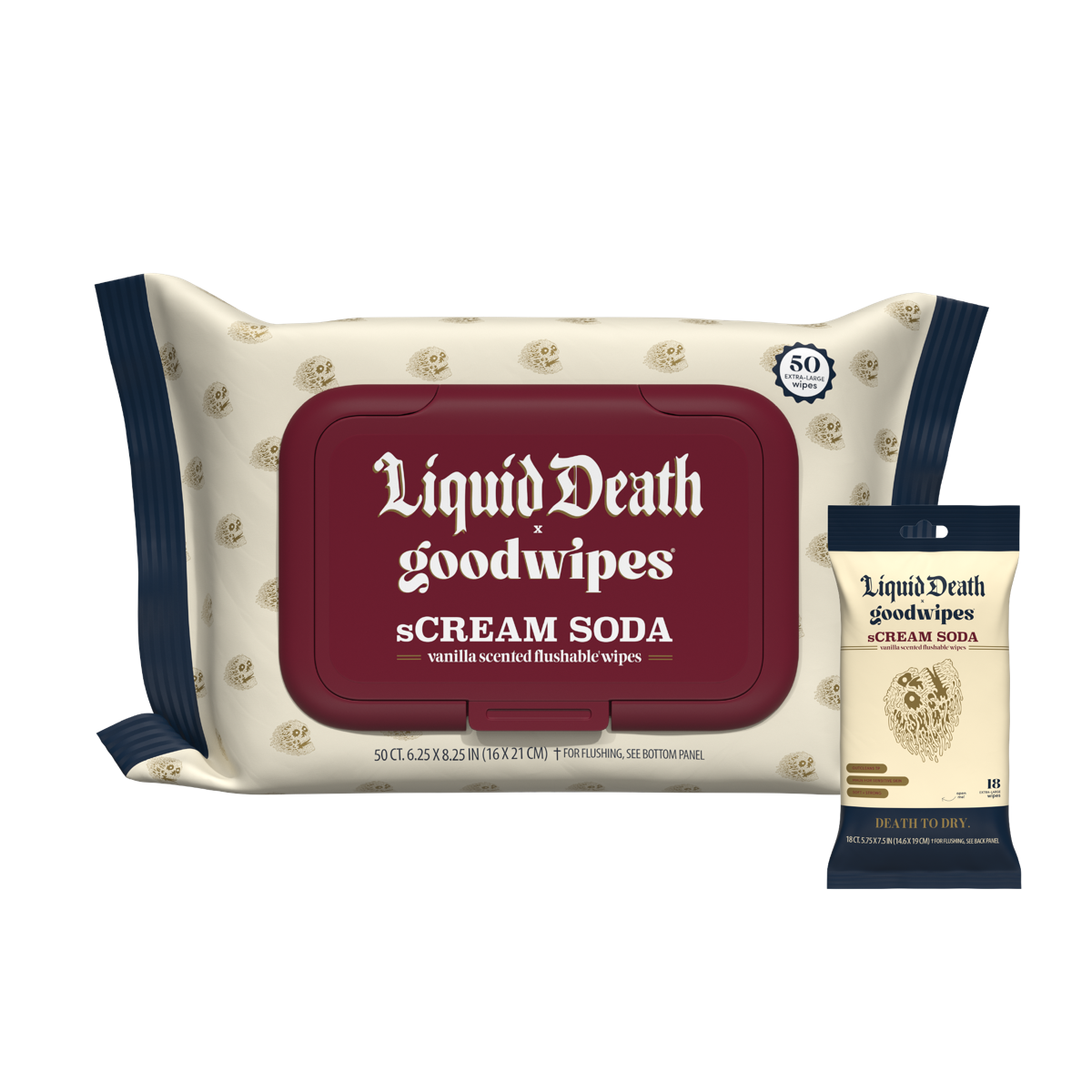
Liquid Death put its sCREAM Soda scent into goodwipes flushable wipes and rolled them into 4,000-plus Walmart doors. It is co-marketing as list growth: each brand borrows the other's superfans, and a limited run gives both a reason to keep emailing before it is gone.
RXBAR's first fall flavor in four years skips pumpkin for apple pie
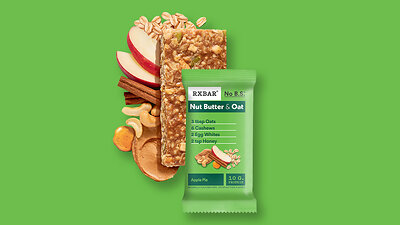
RXBAR launched its first new fall seasonal in four-plus years and passed on pumpkin for apple pie. Good reminder that "limited time" only works when the timing is right, so point your seasonal sends where demand is actually heading, not where everyone went last year.
Annnnd that's a wrap for this edition!
Thanks for hanging with Chase and me. If this gave you an idea for your next offer, share ecomemailmarketer.com with your favorite DTC marketer.
Remember: Do shit you love.
🤘 Jimmy Kim & Chase Dimond
PS: Your next best customer might be reading this right now. Want in? Email Jimmy to sponsor this newsletter and more.
Want to receive it less frequently? Update your cadence here: update cadence
Reply