- eCom Email Marketer
- Posts
- Wed 9/23 | Ed 421 | The channel you're quietly wearing out
Wed 9/23 | Ed 421 | The channel you're quietly wearing out
📬 Want to see how other brands actually write their texts? Inboox has 1.5M+ real brand sends with an AI breakdown on each one. → Explore Inboox
Your texts aren't underperforming because of the copy.
They're underperforming because they're emails that got squashed down to 160 characters and sent to somebody’s lock screen at 2pm on a Tuesday.
SMS sits next to messages from their mom. That’s the whole channel in one sentence, and it changes what you should send, when, and how often.
Today: 8 fixes, with the timings and thresholds we would actually use. 👇
Also inside:
→ A brand that sent 387,000 fewer messages and made $1.5M more
→ 153 real emails and texts, already torn apart for you
→ What is moving in DTC this week
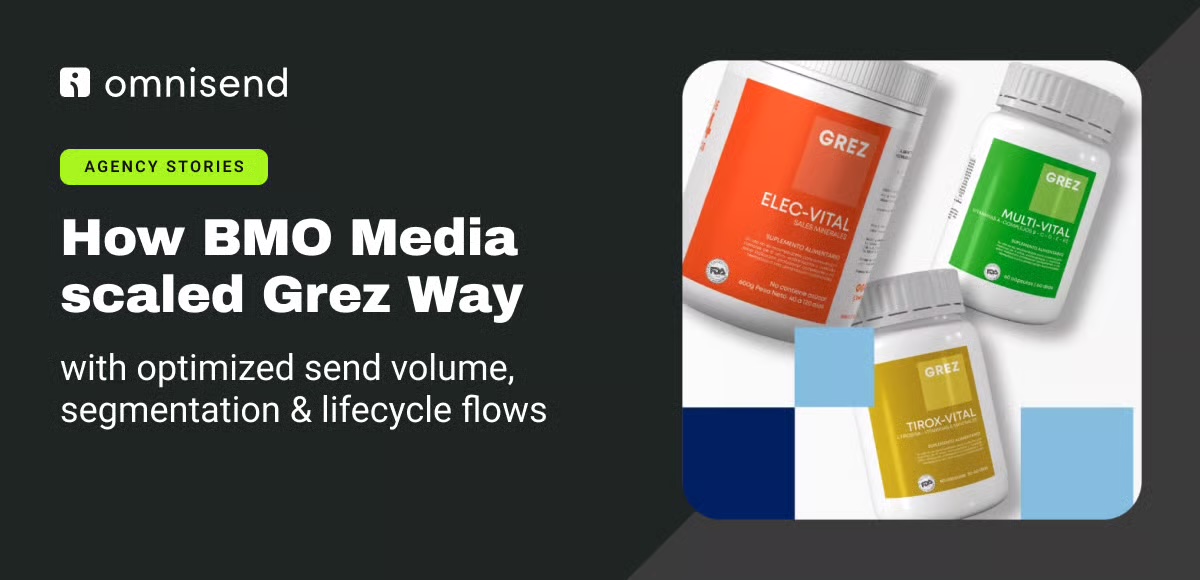
Grez Way cut their email volume by 387K messages. Using Omnisend’s segmentation and Customer Breakdown tools, they rebuilt their entire lifecycle strategy around real engagement signals. The result?
387K fewer messages sent
25% increase in open rates
8% increase in click rates
$1.5M in additional revenue
Omnisend’s platform showed exactly who needed re-engagement and who qualified as VIPs. By targeting customers who were already showing intent and avoiding over-messaging, Grez Way proved that less really is more (when you’re reaching the right people at the right time).
*Sponsored
There’s a big difference between adding SMS and actually using it well.
Most brands switch it on because of the stats. 98% open rates, replies in minutes, conversion numbers that make email look sleepy. All true, and all beside the point.
SMS works because of where it lands. Your email shows up in a promotions tab next to 40 other promotions. Your text shows up between a message from their mom and a photo from their group chat. That’s a privilege, and it’s very easy to lose.
Here are the 8 fixes, in the order we would do them.
1. Respect where the message lands
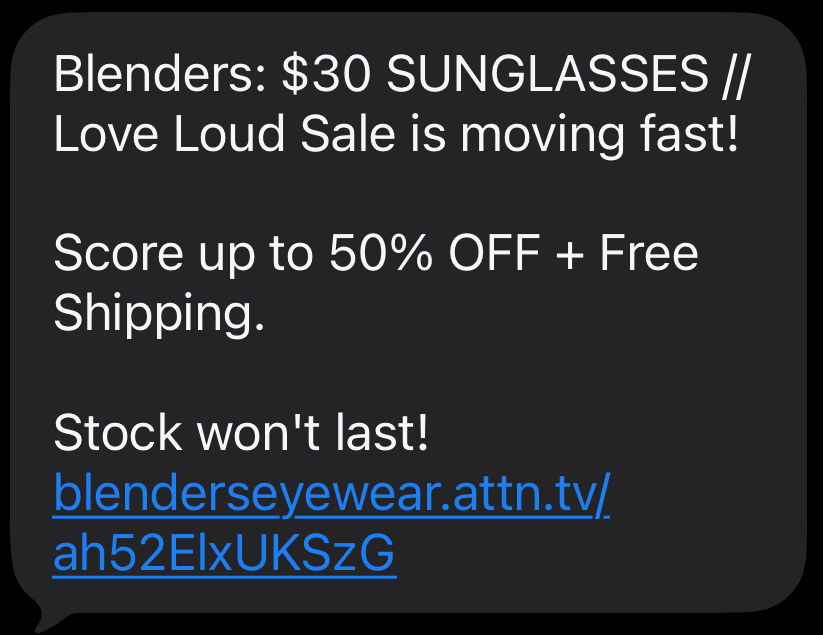
A text interrupts. That’s the feature and the risk. It converts when the moment is hot and it annoys when it isn’t.
Text these 4 moments and almost nothing else:
Flash sales with a real expiry, not a fake one
Cart abandonment inside the first hour
Back in stock on something they actually viewed
VIP early access on a launch
Do this: open your last 10 texts. Any that were product education or brand storytelling should have been emails. Move them.
2. Build the list on access, not 10% off
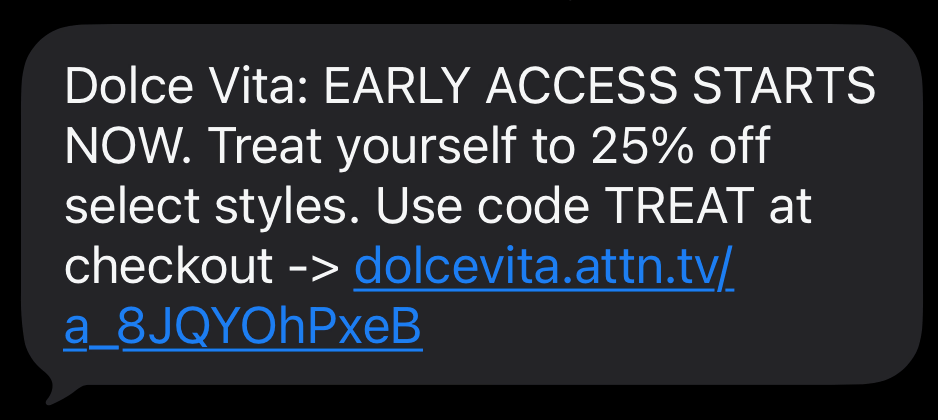
A discount will grow your SMS list. It will also fill it with people who wanted the code and nothing else.
Swap the offer for something only texters get: early access before public drops, first word on restocks, subscriber-only runs, priority during a sale. You’re selling a backstage pass, not a coupon.
Do this: rewrite the popup to say what they get and how often they will hear from you. “Roughly 4 texts a month, drops and restocks only” sets the expectation and drops your complaint rate.
3. Write like a person, not a compressed email
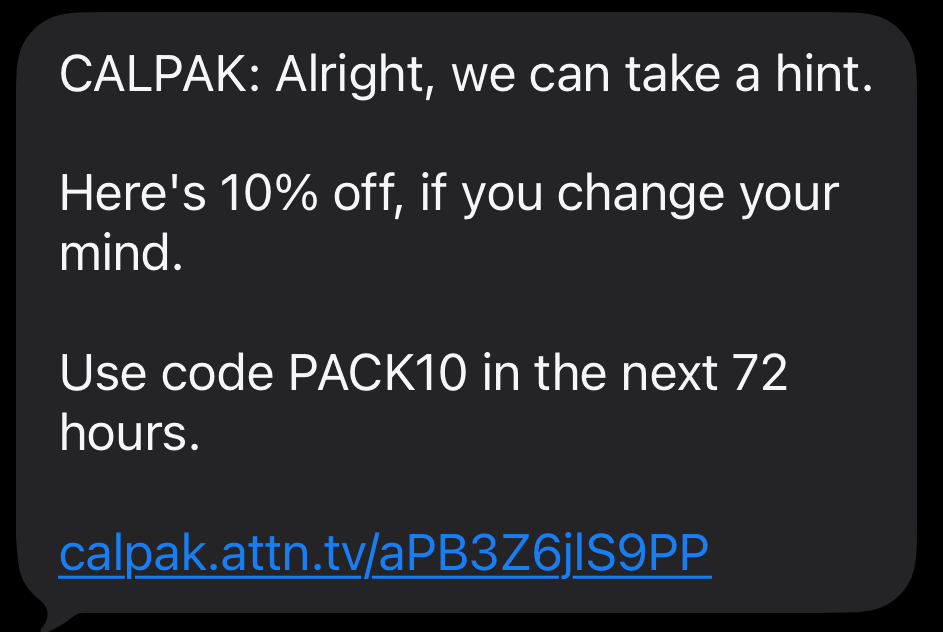
Good texts have 4 parts and nothing else: why this matters, what the thing is, 1 action, 1 clean link.
Personalization has to be behavioral or it’s decoration. Referencing the jacket they looked at twice is useful. Sticking their first name on a generic promo isn’t, and everyone can tell.
Do this: read your next text out loud. If you wouldn’t say it to somebody standing in front of you, rewrite it. If it doesn’t earn the interruption, email it.
4. Stop sending the same message twice
Sending the identical campaign to both channels at the same time is the fastest way to teach people to ignore 1 of them.
Email carries the story, the explanation, the detail. SMS carries the moment. Introduce the product by email and text the VIPs when it drops. Email the care instructions and text the shipping update.
Do this: take next month’s calendar and write a channel next to every send. Anything scheduled for both on the same day gets a different job or gets cut.
5. Tie every text to behavior and a clock
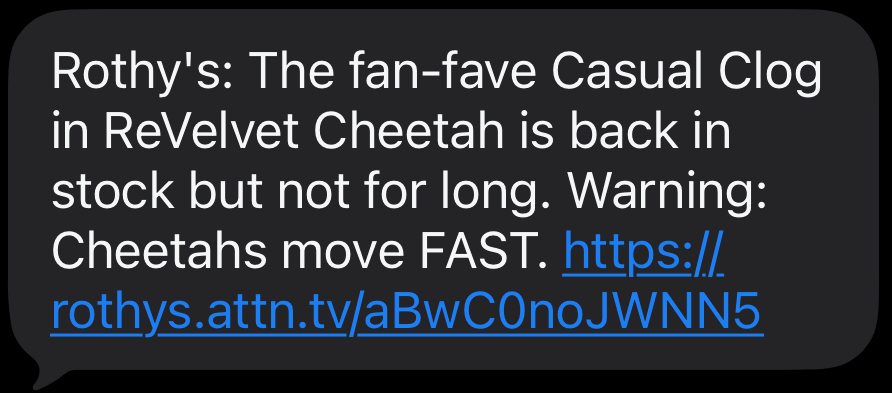
A cart text 30 minutes after they left converts. The same text 2 days later is a coupon nobody asked for.
The triggers worth building first:
Cart abandonment, 30 to 60 minutes after
Back in stock, tied to something they viewed
Subscription renewal, 3 days before the charge hits
Low stock on an item they looked at more than once
Do this: check the delay on your cart text right now. If it’s measured in days, that’s your afternoon sorted.
6. Use MMS when the picture sells, not because it’s Tuesday
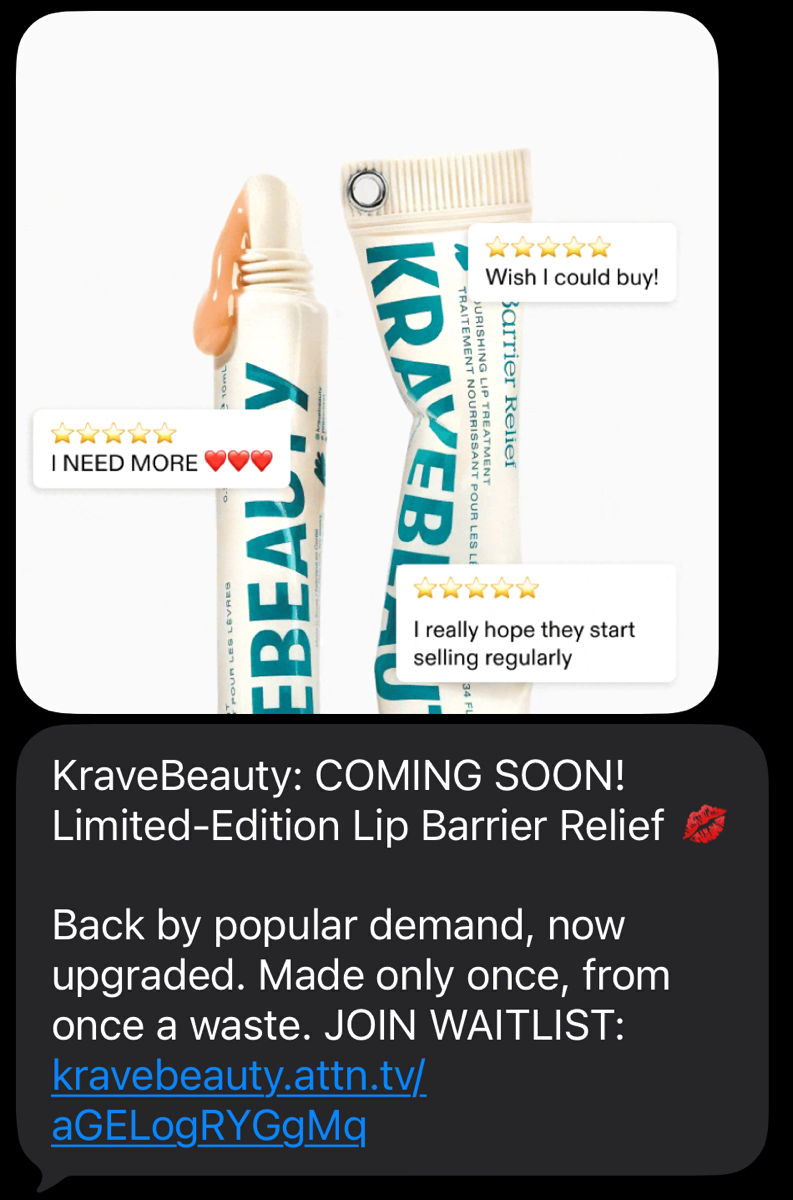
MMS costs more. Sometimes it earns it: a launch with real visual appeal, a limited drop, an event invite, a product-led flash sale.
The rest of the time it’s a picture of your logo attached to a sentence, charged at a premium.
Do this: compare the revenue per send on your last 5 MMS against your last 5 plain texts. If the picture isn’t paying for itself, stop sending it.
7. Guard the frequency like it’s the product
SMS fatigue arrives far faster than email fatigue, and it shows up as opt-outs, which you never get back.
The rules worth holding:
Respect time zones. Nobody wants your flash sale at 6am.
Suppress anyone who bought in the last 48 hours.
Never stack 2 texts in the same day.
Keep the cadence steady and restrained, even in December.
Do this: put a hard frequency cap in your platform today, before Q4 talks you out of it.
8. Measure past the open rate
Almost every text gets opened. That number tells you nothing except that phones exist.
Watch these instead: click rate, conversion rate, revenue per subscriber, opt-out rate on each send, and what happens to email performance in the days after a text.
Do this: add opt-out rate per send to your reporting. It’s the metric that tells you the channel is being spent, and most brands only notice once the list has shrunk.
So where does that leave email?
SMS isn’t a replacement for email. It’s the thing that makes email land harder.
Email builds the relationship and does the explaining. SMS creates the moment. Get the 2 roles straight and your customers get fewer messages that matter more, which is the entire game.
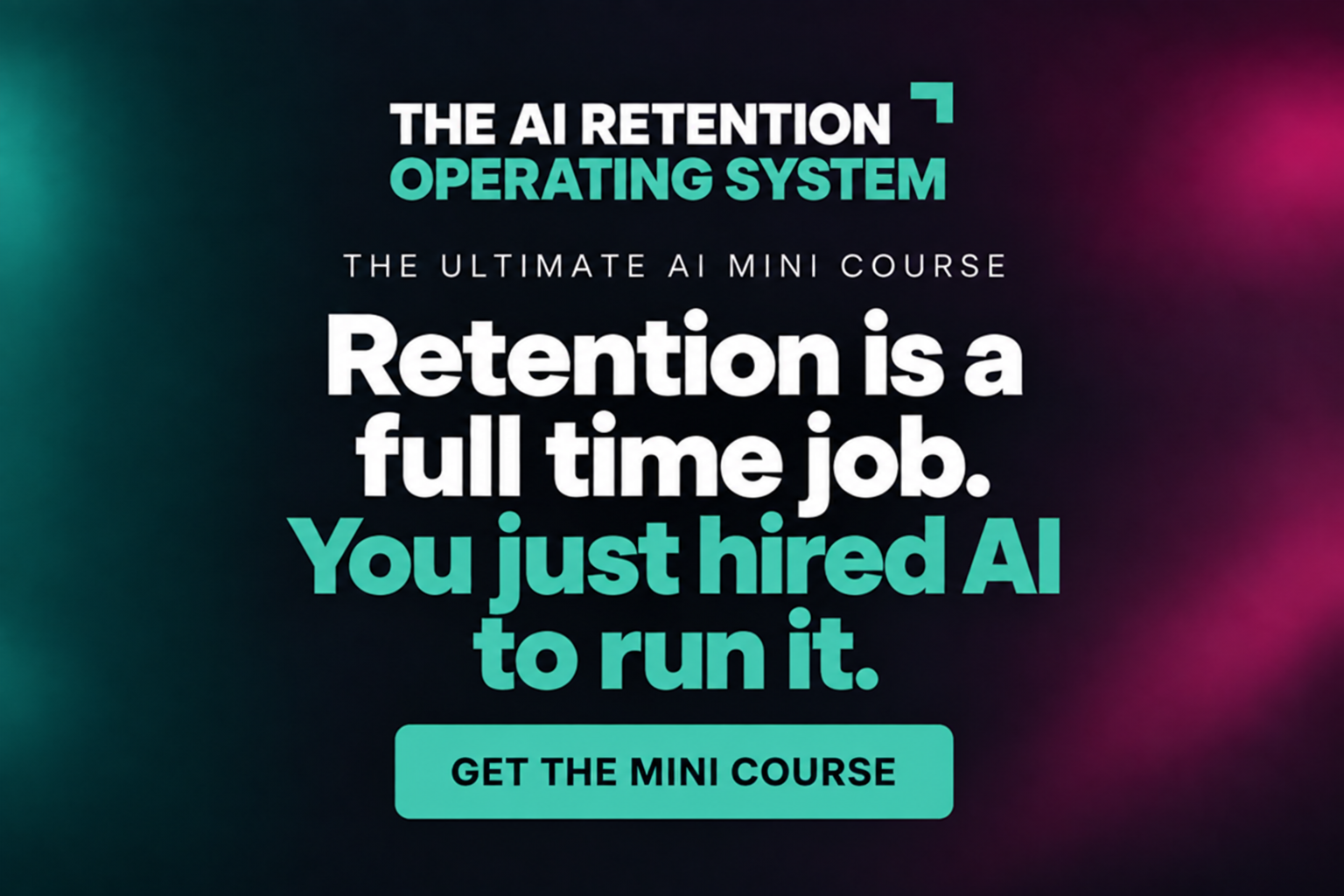
Reading about good texts is fine. Reading 153 of them, with the reasoning attached, is faster.
The AI Retention Operating System has the whole index: 153 real emails and texts, every one analyzed, sorted into 51 categories across flows, campaigns, SMS and holidays. Every category comes with a prompt that writes your version of it.
It sits inside 5 interactive modules with a 117-point audit, a 90-day build order and a 365-day calendar, so you can go from “our SMS is a mess” to a fixed flow in an afternoon.
One-time $97, regularly $149, and every update after that’s free.
Nette spent a year on its first creator fragrance
Indie fragrance brand Nette launched Mr. Cloud, a milky tuberose scent built with creator Morgan Riddle and a Givaudan perfumer over roughly 12 months, per Glossy. It’s still self-funded and says it gets into about 1 of every 5 retailers it approaches, so owned channels carry the release. A year of development is 6 emails of story, not 1 announcement, and a waitlist segment beats a full-list send every time.
Beyond Yoga opened a store where its email list already lives
Beyond Yoga took a 2,300 square foot Flatiron pop-up running through early January, and the CEO said New York has long been one of its largest ecommerce markets with one of its most engaged communities, reports Retail Dive. They read their own order and engagement data, then put a room in the middle of it. Your top 5 ZIP codes aren’t a line in a shipping report, they’re a segment, an invite list and a local subject line.
DTC brands are turning hotel rooms into showrooms
Modern Retail tracked Quilt, Public Goods, Drake’s and Lela Rose putting product inside hotels, from refillable toiletries to a 4-piece capsule with the St. Regis Chicago. Guests try the product at peak holiday mode and then leave with nothing you can send to. It’s dead weight without capture: a QR on the product to a stay-specific landing page, then a post-checkout flow that lands while the memory is warm.
Annnnd that’s a wrap for this edition!
Thanks for hanging with us today. If this gave you an idea for your next send, share ecomemailmarketer.com with your favorite DTC marketer.
Remember: Do shit you love.
🤘 Jimmy Kim & Chase Dimond
PS: Your next best customer might be reading this right now. Want in? Email Jimmy to sponsor this newsletter and more.
Want to receive it less frequently? Update your cadence here
Reply