- eCom Email Marketer
- Posts
- Wed 9/9 | Ed 411 | This brand nailed the joke and lost the sale
Wed 9/9 | Ed 411 | This brand nailed the joke and lost the sale
📬 1.5M+ real brand emails in Inboox, including last year’s Black Friday sends, each with an AI breakdown of why it worked. → Explore Inboox
Pumpkin spice turned up in your inbox three weeks ago and it isn’t leaving until December.
Every brand with a scent runs the same play in September, and most of them get as far as putting the word pumpkin on something orange.
Poo~Pourri went a lot further, which is why the email is genuinely funny and still doesn’t quite close.
This morning we’re going through what it gets right, the three places it leaks, and the four small edits we’d test on it. 👇
Also inside:
→ The three BFCM numbers worth acting on while the calendar’s still a draft
→ A three-person denim brand that runs no ads and still sells jeans
→ Untuckit gets bought, and the brands treating their Instagram DMs as a product team
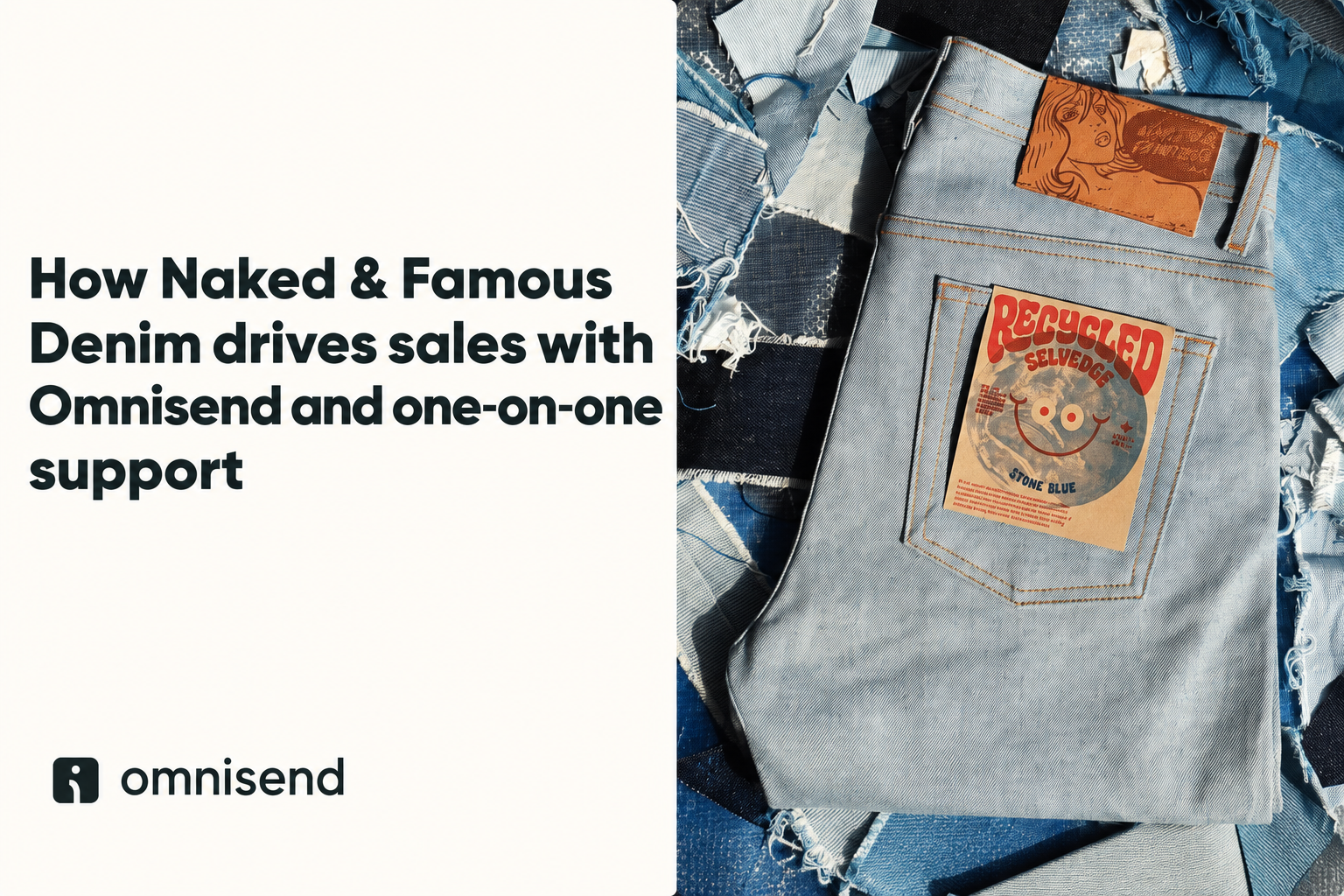
Naked & Famous doesn’t buy ads.
Bahzad Trinos sells raw denim to people who argue about fabric on message boards, and the way he reaches them is email, which he’ll tell you is the only channel where you actually own the audience.
He was on Mailchimp until its split from Shopify left him waiting for a connector to break mid-season.
Since moving to Omnisend, automations bring in 19.75% of email revenue, the abandoned cart series returns $6.33 per email, and the customer feedback message on its own lifted revenue per email by 3190%.
Three people, no paid acquisition, and one account expert who answers.
*Sponsored
Pumpkin spice season is a free ride for anybody selling a scent, and most brands take it by putting the word pumpkin on something orange and calling it a campaign.
Poo~Pourri went further. The email opens on “Want to drop a pumpkin poop?”, sits the bottle on a stack of pumpkin pancakes, and asks whether you’re Team Apples or Team Pumpkins.
Every line is committed to the bit, and the bit genuinely works. What the email never does is tell you why this bottle is worth buying instead of the one already under your sink.

What They Got Right
The joke is doing the targeting
“Want to drop a pumpkin poop?” is the first thing you read, and it filters the list in about a second. Anyone who finds that funny is exactly who buys this product, and anyone who doesn’t was never going to.
Most seasonal emails open on a soft benefit line that could belong to any brand in the category. This one couldn’t belong to anybody else.
Why it works:
The hook and the product are the same joke, so the humour isn’t decoration sitting on top of a pitch.
It sets the register for the whole email, which means the rest of the copy never has to explain itself.
Self-selection at the subject line beats segmentation you had to build.
The scent is anchored to something you’ve actually smelled
“Even your poos can smell like your favorite coffee order” does more work than a fragrance note list ever would. Pancakes, pie, cider. Every image ties the scent to a thing the reader has had in their hand this month.

What brands can steal:
Describe a scent, a flavour or a texture by naming something the reader already owns, not by naming the ingredient.
Seasonal food imagery does the date-stamping for you, so the copy never has to say “it’s fall!”
One familiar reference beats three accurate ones.
The loyalty balance sits above everything else
Token totals run at the very top, before the hook. It’s a small thing and most brands bury it in an account page nobody visits, which is how loyalty programs quietly stop existing.
Why it works:
A visible balance turns a program into a running total the reader is already invested in.
It costs one row of the template and reminds every opener that they have something banked.
It gives a non-buyer a reason to keep opening.
Where It Starts to Lose Steam
The loyalty CTA asks for something the reader can’t do yet
The balance is shown, and the button underneath it says Redeem Now. The subscriber in this send doesn’t have enough tokens to redeem anything, so the first call to action in the email is one they’ll bounce off.
Swap it for progress language. “Earn more points” or “Keep collecting” turns a locked door into a scoreboard, and it costs nothing to change.
The product never earns the click
There’s nothing in here about how long a bottle lasts, what’s in it, or why this scent is worth swapping to. The humour carries the whole email and then hands the reader to a Shop Now with no reason attached.
One line of proof would do it. How many uses you get, or the one ingredient claim they lean on, dropped in under the hero. And if it’s a limited edition, that belongs in the email too, because a seasonal scent nobody says is seasonal reads as permanent.
Team Apples or Pumpkins asks a question and ignores the answer
This is the one that stings. The email invites you to pick a side, which is a genuinely good interactive moment, and then puts the same generic Shop Now under both options.
Two buttons instead of one, Shop Apple and Shop Pumpkin, sends the reader to the thing they just told you they wanted. It also hands you a click-level preference on every subscriber who answered, which is a segment you can send to for the rest of the season.

The footer drops the character
The giveaway block is strong, bright yellow with an ends-tomorrow line, and the Walmart tie-in buys real credibility. Then the legal copy arrives and the brand voice evaporates.
Worse, the only option down there is unsubscribe. A brand this good at being liked should be offering a way to hear from them less, not only a way to leave.
What We’d Test
Nothing here needs a rewrite. The voice is the asset and it should be left alone. Everything below is plumbing.
A version we’d love to test would:
Swap the loyalty CTA to progress language when the balance is under the redemption threshold.
Put one line of product proof under the hero, either the number of uses or the limited-edition flag.
Split Team Apples or Pumpkins into two buttons and tag the click.
Lift the main Shop Now up under the hero copy so the first buying moment isn’t a scroll away.
Add a cadence option in the footer next to unsubscribe.
Final Thoughts
This is a brand doing the hardest part correctly. The voice is committed all the way to the bottom, the seasonal tie-in is earned rather than bolted on, and the whole thing is recognisable with the logo covered up.
What’s missing is the boring half. A reason to buy, a button that goes where the reader pointed, and a first CTA that isn’t locked.
Personality gets the email opened and read, which is the part most brands never solve. It just doesn’t close, and closing is a different job that takes about four small edits.

In eleven weeks you'll be sending more email than you have all year, through flows you last looked at properly in March.
The AI Retention Operating System starts by finding the holes for you. 117 checkpoints across seven categories, scoring every flow and campaign you have running right now.
Then it hands you the rest of the quarter: a 90-day build order, 200+ copy-paste AI prompts, a 365-day calendar with 91 real campaigns already mapped, and 153 real emails and texts pulled apart so you can see what made them work.
Five interactive modules. $97 today against a regular $149, one time, yours for life.
Untuckit sold itself to a licensing house
Randa has bought Untuckit for an undisclosed sum, sixteen years after Chris Riccobono and Aaron Sanandres started it because they couldn’t find a shirt that looked right untucked. The brand chased a $600 million valuation in 2018 and now runs more than 70 stores. Randa already owns Totes and Tribal and licenses Calvin Klein, Levi’s and Tommy Bahama, so Untuckit gets sourcing and shelf space it couldn’t buy on its own.
Brands are running product development out of their Instagram DMs
Made In, Plainspeak and Springrose are all using DMs to collect feedback and source ideas as paid acquisition gets more expensive. Springrose founder Nicole Cuervo reads every message herself, ten to twenty a week, and passes what she finds to the team. They also post prototypes to customers and ask what’s wrong with them.
Quince sold out its first sample sale six hours early
Quince ran its first sample sale in New York and closed it six hours ahead of schedule after the queue got away from them. The brand has been online-only, and a turnout like that is the sort of thing that decides whether a DTC brand starts signing leases. Worth watching where they open first.
Annnnd that’s a wrap for this edition!
Thanks for hanging with us today. If this gave you an idea for your next send, share ecomemailmarketer.com with your favorite DTC marketer.
Remember: Do shit you love.
🤘 Jimmy Kim & Chase Dimond
PS: Your next best customer might be reading this right now. Want in? Email Jimmy to sponsor this newsletter and more.
Want to receive it less frequently? Update your cadence here
Reply