- eCom Email Marketer
- Posts
- What your email & SMS clicks actually mean (and why most metrics lie)
What your email & SMS clicks actually mean (and why most metrics lie)
Crushes fade. Retention sticks around for the long haul. 💘 Save $450 on eCom Email Certified w/ code: CUPID
Good morning, Chase and Jimmy here.
Clicks are one of the most misunderstood metrics in email and SMS.
They’re easy to track. Easy to report. Easy to celebrate.
And very easy to misinterpret.
Because not every click means interest. Not every click means intent. And not every click should be treated the same way.
If you’ve ever looked at a strong click-through rate that didn’t translate into revenue and thought, “Wait… what happened?” - this is for you.
Let’s break down what clicks actually mean, where they go wrong, and how to build a click strategy that reflects real engagement instead of vanity metrics.
Also inside:
✔️ New year. New ESP. No migration headache.
✔️ Knowledge drop: Why “temperature-based” flows drive better results
✔️ DTC wins: Motif Coffee Syrups Sell Out Online
Let’s get into it.
New year. New ESP. No migration headache.
Q1 is the one time switching ESPs doesn’t cost you momentum.
Migrating to Omnisend means your data, segments, and automations move with you (fast) so you get back to what really matters.
150k brands have trusted the move because:
Contacts, tags, and engagement history sync automatically
Pre-built ecommerce workflows go live in minutes
Real humans handle migration support 24/7
You start seeing value without pausing campaigns
If switching ESPs has been on your list but felt like “too much,” this is the window to do it right.
→ Migrate to Omnisend and start the year lighter, faster, and ready to sell
What your email & SMS clicks actually mean (and why most metrics lie)
A click can mean interest, curiosity, habit, or even a mistake.
When all of those get lumped together, performance looks better on paper than it does in reality.
This breakdown we’ll walk through the types of clicks that actually indicate intent, the ones that quietly distort your data, and how to design email and SMS in a way that earns clicks that go somewhere.
Understanding why clicks get overrated (and misunderstood)
Clicks feel like progress. They’re visible. They move. They give teams something to point to.
But a click is just a signal, not a result.
It tells you something happened, not why it happened or whether it mattered. That gap is where a lot of teams get tripped up.
The goal isn’t to eliminate clicks that don’t convert. The goal is to understand which clicks signal intent and which ones are just noise.
The four types of clicks you’re actually getting
1. High-intent clicks
These are the ones everyone wants.
The reader saw something relevant, clicked with purpose, and followed through. These clicks usually come from:
- Clear offers
- Strong product-market fit
- Emails sent at the right moment
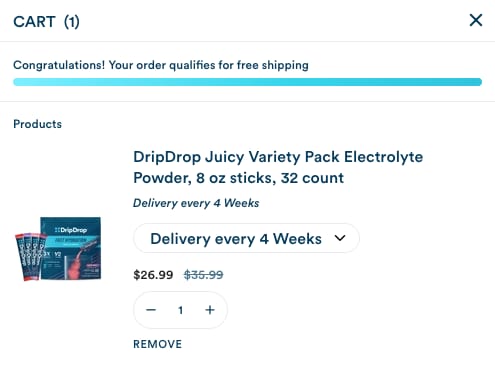
High-intent clicks tend to show up alongside healthy post-click behavior: time on site, product views, add-to-carts, and purchases.
2. Curious clicks
These clicks come from interest, not readiness.
Someone is exploring, comparing, or learning. That’s not a failure, it’s actually a signal that your message landed, but the timing or offer wasn’t quite right yet.
Curious clicks are especially common in:
- Educational emails
- Product launches
- New subscriber flows
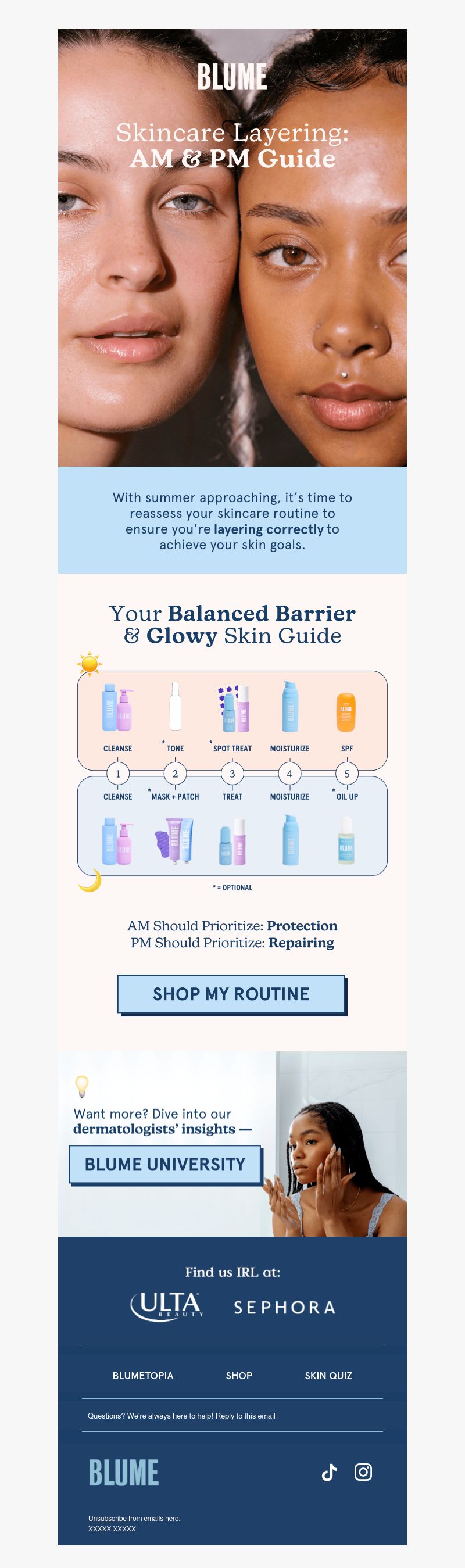
The mistake is treating these clicks like conversion intent instead of a cue to nurture.
3. Accidental clicks
These happen more than most teams want to admit.
On mobile especially, large clickable areas, stacked links, or full-image CTAs can inflate click rates without adding any real value.
If you see:
- High clicks
- Very short sessions
- Immediate bounce-backs
You’re likely dealing with accidental clicks, not engagement.
4. Bot clicks
Security scanning, privacy protection, and automated systems can trigger clicks without a human ever seeing your email.
These clicks aren’t malicious, but they are misleading if you don’t account for them.
Left unfiltered, they can:
- Inflate CTR
- Distort A/B tests
- Make weak campaigns look stronger than they are
Designing emails and texts for intentional clicks
Lead with curiosity, but don’t bait
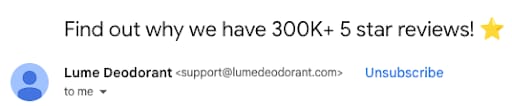
Subject lines should spark interest without creating confusion.
When the click doesn’t deliver on what the subject line hinted at, trust erodes quickly. Remember, curiosity works best when it’s paired with relevance and payoff.
Use urgency when it’s real
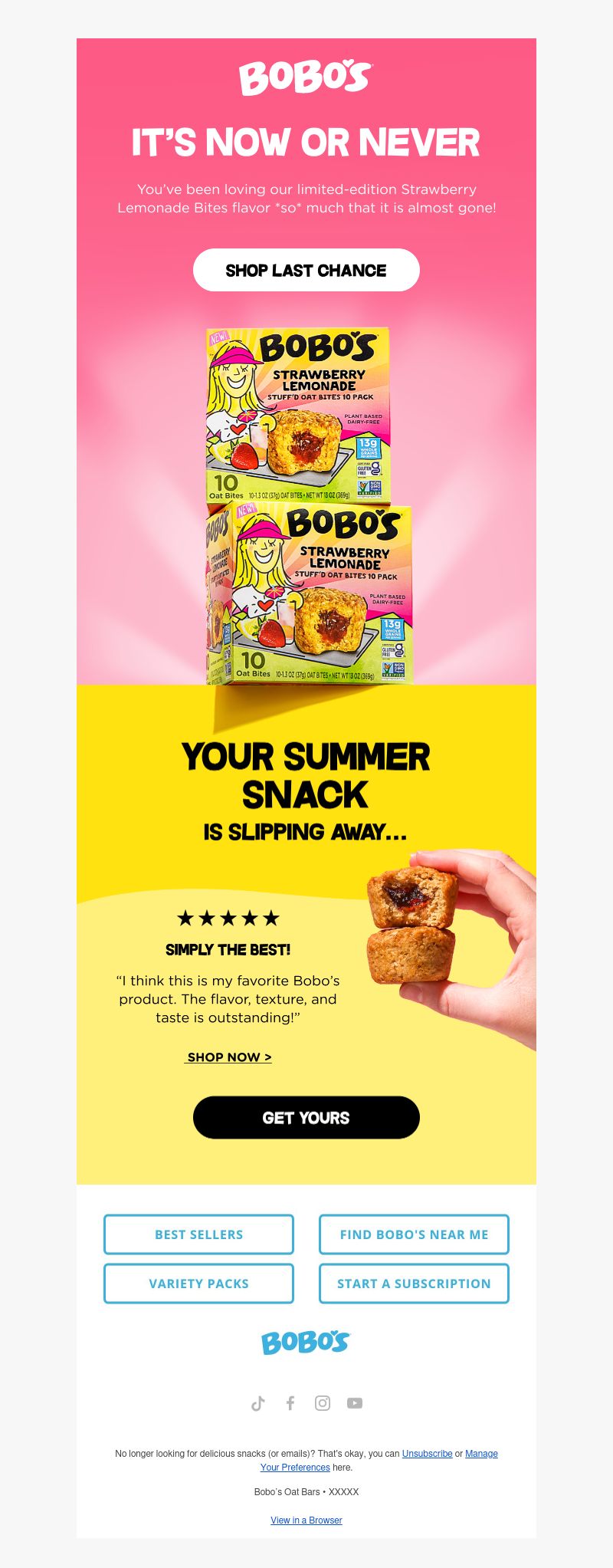
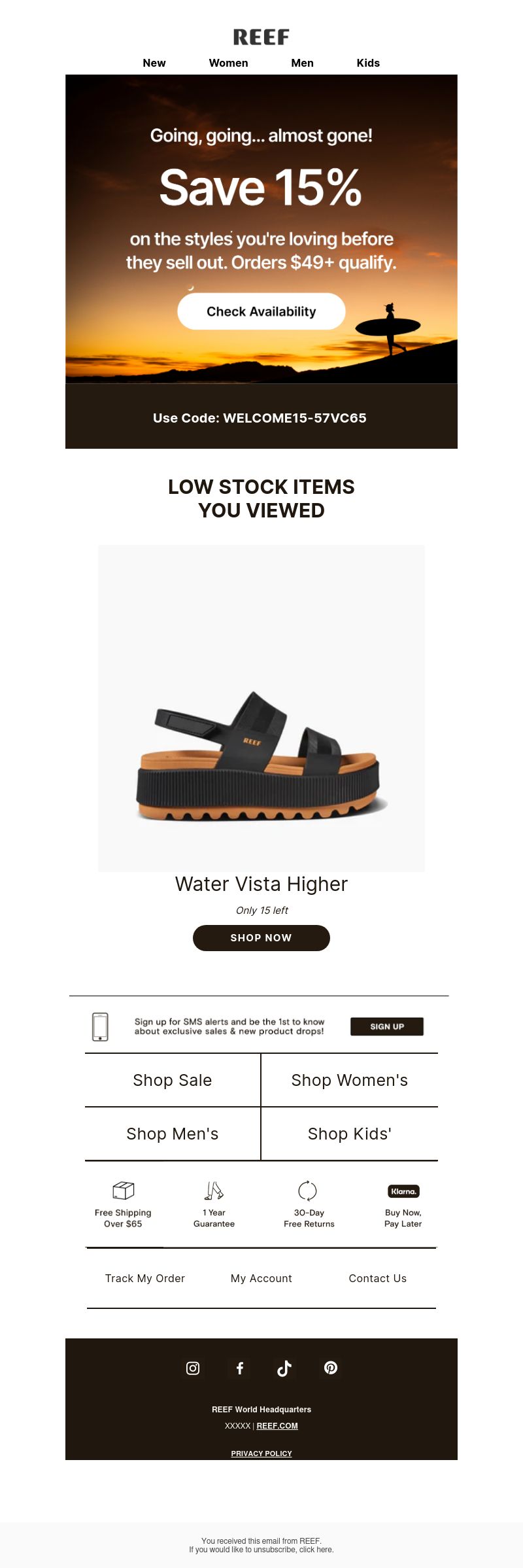
Deadlines, low stock, and time-sensitive moments work… when they’re genuine.
Urgency should feel like helpful context, not pressure. If everything is urgent, nothing is.
Make the value obvious before the click
Before someone clicks, they should understand why they’re clicking.
What they get. What happens next. What problem it solves.
When value is clear upfront, clicks become more intentional and post-click behavior improves.

Design to reduce misclicks
Your CTA should be obvious, clear and easy to understand.
That means:
- One primary action
- Clear button placement
- Avoiding full-email click zones
If someone clicks, it should be because they meant to.

Use segmentation to earn better clicks
Relevance is the biggest driver of meaningful engagement.
When the message aligns with where someone is in their journey, clicks stop being casual and start being deliberate.
Start with segments that change why someone would click, not just who they are.
Why basic click tracking isn’t enough anymore
Most ESPs tell you that a click happened, not whether it mattered. That’s where advanced tracking tools come in.
Deeper click analysis can show you:
- Which clicks actually convert
- How long someone stays after clicking
- Whether clicks came from real users or automated systems
- Device and location context that affects behavior
This is how you move from “this email got clicks” to “this email drove value.”
How to sharpen your click strategy without chasing volume
Audit clicks alongside outcomes
Look at clicks next to:
- Conversion rate
- Revenue per send
- Time on site
A lower CTR with stronger downstream performance is often a win.
Optimize for quality, not scale
More clicks aren’t always better. Better clicks are.
Focus on:
- Clear intent
- Cleaner design
- Fewer distractions
Treat testing as learning, not guessing
Test one variable at a time. Track what happens after the click, not just whether it occurred.
That’s where the real insights live.
What clicks should actually represent
Clicks aren’t the finish line. They’re a checkpoint.
When you treat them as signals they become incredibly useful. They tell you what’s resonating, what’s confusing, and where intent is building.
The best-performing email and SMS programs don’t chase clicks. They design for clarity, track for truth, and optimize for outcomes.
And when you do that, the clicks that matter tend to take care of themselves.
Knowledge drop:
Not all new subscribers are in the same headspace. Jimmy breaks down why welcome flows should match intent and how “temperature-based” flows drive better results.
DTC wins:
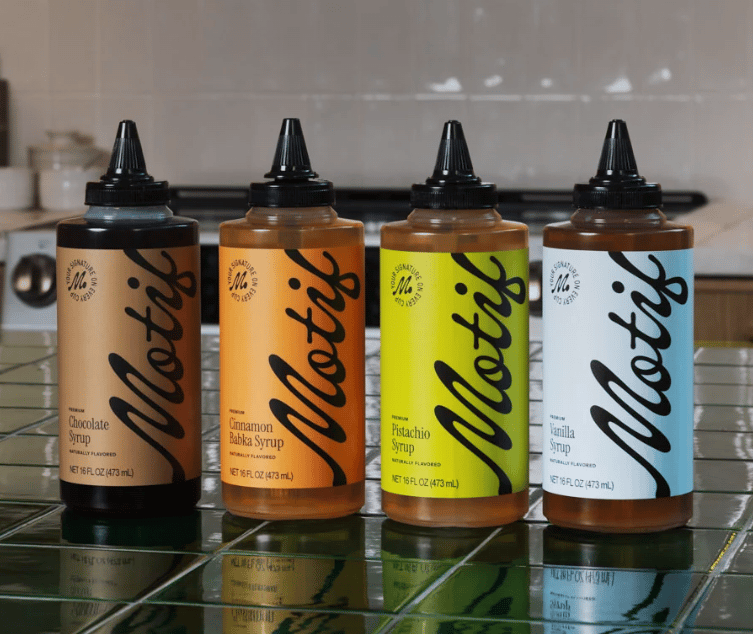
Motif Coffee Syrups is already showing strong early momentum, selling out its clean-label, low-sugar syrups shortly after launch. Built by a fourth-generation Zabar’s coffee obsessive, Motif is positioning syrups as a quality extension of the beans themselves and early demand suggests coffee drinkers are buying into that upgrade.
Annnnd that’s a wrap for this edition!
Thanks for hanging with Chase and me, always a pleasure to have you here.
If you found this newsletter helpful (or even just a little fun), don’t keep it to yourself! Share ecomemailmarketer.com with your favorite DTC marketer. Let’s get them on board so they don’t miss next week’s drops.
Remember: Do shit you love.
🤘 Jimmy Kim & Chase Dimond
PS - Your next best customer might be reading this right now. Want in? Email Jimmy to sponsor this newsletter and more.
Love this newsletter but want to receive it less frequently? Let us know by clicking here!
Reply