- eCom Email Marketer
- Posts
- Why Most Personalization Misses the Mark (and What Works in 2026)
Why Most Personalization Misses the Mark (and What Works in 2026)
When the best brands hit send, Inboox saves it for you. 👻 Access the AI-driven database with over 1.5M real emails & actionable insights.
Good morning, Chase and Jimmy here.
Personalization has never been easier to do… and harder to do well.
Most brands are sending more “personalized” messages than ever, but relevance still feels off. Today’s article breaks down why that happens and what personalization actually looks like in 2026 when sending less, not more, is the real advantage.
Also inside:
✔️ The email benchmarks that will shape 2026
✔️ Knowledge drop: A simple psychology-backed tweak for better welcome flows
✔️ DTC wins: Swishables raises near seven-figure seed round for on-the-go oral care
Let’s get into it.
The email benchmarks that will shape 2026

Email performance didn’t just shift in 2025... it quietly reset the rules. Omnisend’s 2025 Email Report breaks down what actually moved this year, which metrics mattered most, and how ecommerce brands should adjust heading into 2026.
You’ll learn:
Which email metrics moved the most in 2025 (and why)
How these shifts will influence ecommerce marketing in 2026
How to identify which trends matter for your brand
Join the Omnisend team on Jan 29 at 7:00 AM PT >> Register free
Why Most Personalization Misses the Mark (and What Works in 2026)
Personalization isn’t new. But in 2026, it’s also not optional.
Customers expect relevance by default. They’re used to recommendations, reminders, and tailored experiences. What they’re no longer tolerant of is messaging that feels lazy, invasive, or clearly stitched together by automation without intent.
That’s where most personalization goes wrong.
The problem isn’t a lack of data or tools. It’s how that data gets used. Too many brands confuse personalization with volume, or mistake surface-level tactics for real relevance.
This year, the brands getting this right are doing less guessing, sending fewer messages, and paying closer attention to the signals customers already give them.
Here’s what personalization actually looks like when it works.
1. Start with intent, not identity
In the past, personalization leaned heavily on who someone is. Demographics, age ranges, gender assumptions, and static profiles.
Now, it’s all about what someone is doing.
Intent-based personalization focuses on real actions:
What someone browsed recently
What they added to cart but didn’t buy
What they’ve purchased more than once
What content they engage with
How frequently they show up on site
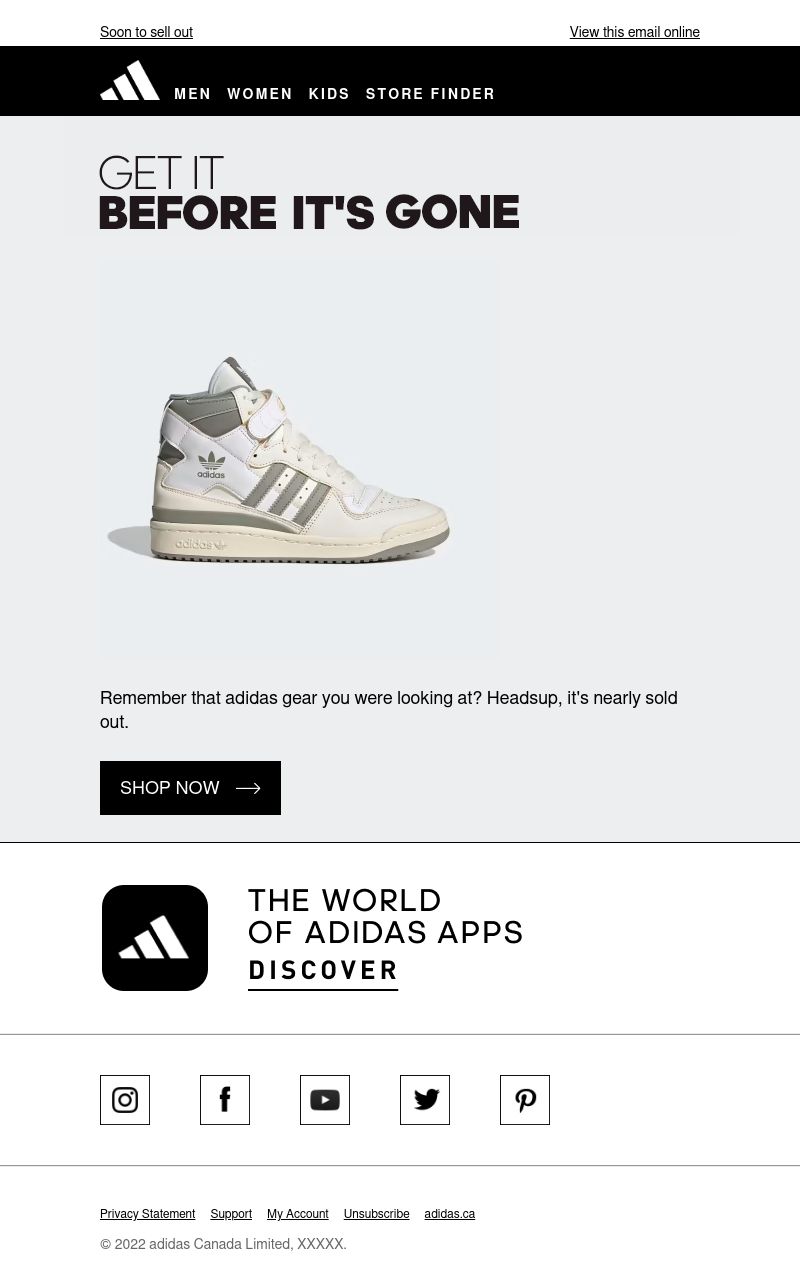
This shift matters because intent changes faster than identity. Someone shopping for a gift behaves very differently than someone replenishing a favorite product, even if it’s the same person.
When you personalize around behavior instead of assumptions, your messages feel relevant without feeling invasive.
2. Segment smaller, send less
One of the biggest mistakes brands still make is using personalization as an excuse to send more messages.
In reality, better personalization should lead to fewer sends.
High-performing programs will favor:
Smaller, tighter segments
Clear reasons for each send
Fewer messages per subscriber, not more
Instead of asking “Who can we send this to?”, the better question is “Who would this actually matter to right now?”
If you can’t answer that clearly, the message probably doesn’t need to go out.
3. Use AI to prioritize, not to overproduce
AI is everywhere. Subject lines, copy drafts, product recommendations, send times. The tools are powerful, but they’re easy to misuse.
The brands getting the most value from AI aren’t using it to generate endless content. They’re using it to:
Identify patterns humans might miss
Prioritize which segments are worth messaging
Predict likely next actions
Remove guesswork from timing and product selection
AI works best behind the scenes, helping you decide what not to send just as much as what to send.
4. Personalize the why, not just the what
Most personalization today stops at product selection. Showing someone what they viewed. Recommending something similar.
That’s table stakes.
What stands out in 2026 is personalizing the reason a product is relevant.
Instead of: “Recommended for you”
Think:
“Popular with customers who bought X”
“Pairs well with what you already own”
“Designed for how you use this product”

When you explain why something matters to someone, it feels thoughtful instead of automated. It shows intent, not just data.
5. Let customers control the experience
The fastest way personalization turns creepy is when it feels unavoidable.
Smart brands build in choice:
Preference centers that actually work
Clear opt-down options instead of hard unsubscribes
The ability to pause, adjust frequency, or change interests

Giving customers control does two things. It builds trust, and it improves your data quality. When someone tells you what they want, you don’t have to guess.
Personalization works best when it’s collaborative, not imposed.
6. Respect the context of the channel
Personalization shouldn’t look the same everywhere.
Email can handle more depth and storytelling.
SMS needs restraint and clear intent.
Push notifications should be timely and useful, not chatty.
This year, relevance isn’t just about what you say. It’s about where and how you say it. A perfectly personalized message sent through the wrong channel still feels off.
Context matters more than cleverness.
7. Measure relevance, not just performance
Open rates and clicks only tell part of the story.
In 2026, personalization success shows up in:
Time to second purchase
Repeat purchase rate
Engagement consistency over time
Lower unsubscribe and opt-out rates
Incremental revenue, not just attributed revenue
If personalization is working, customers stay engaged longer, buy more naturally, and don’t feel the need to tune you out.
The best signal isn’t spikes. It’s sustainability.
The best personalization doesn’t call attention to itself
It doesn’t feel impressive.
It doesn’t feel clever.
It just feels useful.
The brands that win this year aren’t the ones collecting the most data or sending the most messages. They’re the ones making better decisions about when to show up, what to say, and when to stay quiet.
Because the best compliment your customer can give you isn’t a click.
It’s staying subscribed.
Knowledge drop:
Most brands ask subscribers what they want. Jimmy explains why asking what they don’t want can lead to better segmentation and stronger trust from day one.
DTC wins:
Portable oral care brand Swishables raised a near seven-figure seed round to scale distribution across retail, travel, and convenience channels. Already live online, at Target, and stocked in 22 major U.S. airports, the brand is doubling down on high-traffic, on-the-go moments. Swishers is gearing up for upcoming expansions into JetBlue, Gopuff, and Vitacost.

Annnnd that’s a wrap for this edition!
Thanks for hanging with Chase and me, always a pleasure to have you here.
If you found this newsletter helpful (or even just a little fun), don’t keep it to yourself! Share ecomemailmarketer.com with your favorite DTC marketer. Let’s get them on board so they don’t miss next week’s drops.
Remember: Do shit you love.
🤘 Jimmy Kim & Chase Dimond
PS - Your next best customer might be reading this right now. Want in? Email Jimmy to sponsor this newsletter and more.
Love this newsletter but want to receive it less frequently? Let us know by clicking here!
Reply